

US-Iran Peace Talks Show Promise as Pakistan Offers Venue for Further Dialogue
In a significant development, United States Vice President JD Vance announced on Monday that recent peace negotiations with Iran in Islamabad have shown promising signs of progress. The discussions,...

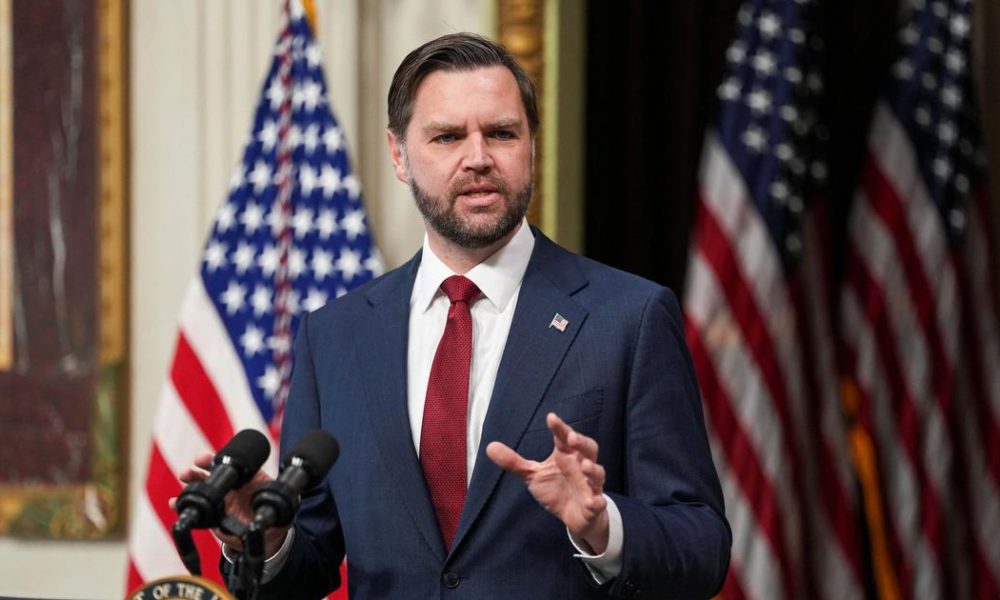
In a significant development, United States Vice President JD Vance announced on Monday that recent peace negotiations with Iran in Islamabad have shown promising signs of progress. The discussions, however, did not culminate in a formal agreement over the weekend. Vance emphasized that while the US has tightened its naval blockade on Iranian ports in the Persian Gulf, Iran has made movements closer to Washington’s position on various key issues.
During an appearance on Fox News, Vance stated, “It wouldn’t be accurate to say that everything went awry. Indeed, we made considerable strides in our discussions.” He highlighted that while the US is enforcing maritime restrictions aimed at controlling traffic linked to Iran, vessels traveling to non-Iranian ports are still permitted to navigate through the vital Strait of Hormuz. This strategic waterway is crucial for global oil transport and holds significant geopolitical importance.
Vance further elaborated on the underlying issues during the talks, suggesting that if Iran aligns itself with the United States’ “red lines” regarding nuclear proliferation, a robust agreement could be reached. He noted, “Iran has adjusted its stance, which is indicative of positive developments, yet we have not witnessed the complete commitment required to finalize any deal.” This tempered optimism reflects the complexities involved in negotiating with Tehran, especially concerning its nuclear ambitions.
Amid these discussions, Pakistan has extended its offer to host additional dialogues between the US and Iran, positioning itself as a potential mediator in the ongoing tensions. The geopolitical landscape has become increasingly intricate, and Pakistan’s involvement could play a crucial role in fostering continued communication between the two nations.
The broader implications of these negotiations resonate strongly in West Asia, a region marked by longstanding conflicts and geopolitical rivalries. As the situation unfolds, the international community watches closely, hoping for a de-escalation of tensions that could lead to lasting peace in the area.
Source: scroll.in







No Comment! Be the first one.