

Lula’s Stunning Comeback: A Historic Victory for Brazil Amid Global Political Shifts
In a remarkable turn of events, Brazilian President Luiz Inácio Lula da Silva has defied predictions and emerged victorious in the recent presidential runoff, securing a fourth non-consecutive term....

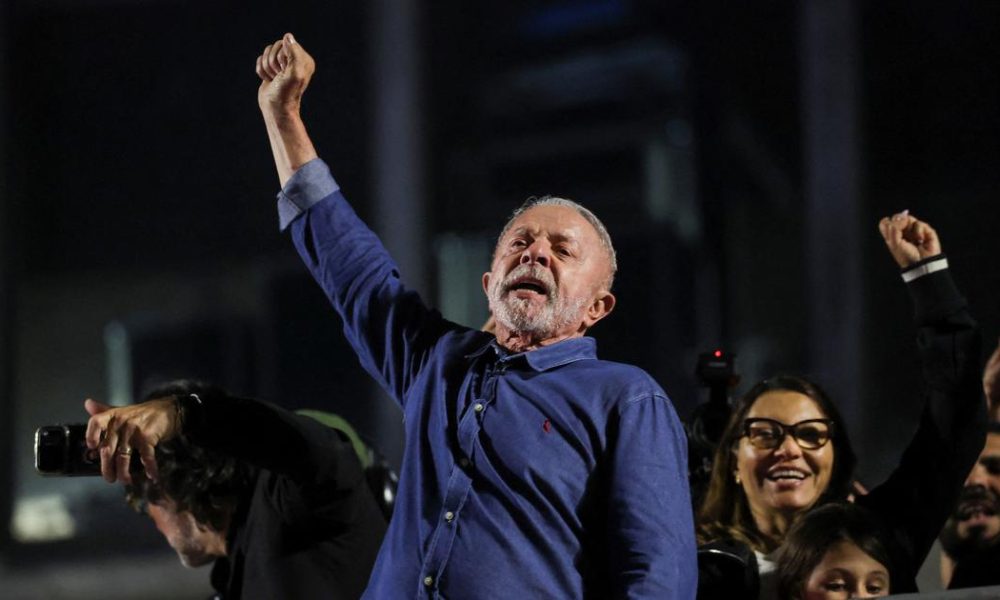
In a remarkable turn of events, Brazilian President Luiz Inácio Lula da Silva has defied predictions and emerged victorious in the recent presidential runoff, securing a fourth non-consecutive term. Just three weeks prior to this victory, many had deemed him politically finished, especially after the far-right candidate Flávio Bolsonaro, son of former President Jair Bolsonaro, had taken an early lead in the election. At 80 years old, Lula’s comeback has not only rewritten his political narrative but also sent ripples through global political discussions.
This election cycle has been particularly significant in Brazilian politics for several reasons. Traditionally, candidates who lead in the first round of voting have historically maintained their momentum to claim victory in the runoff. However, Lula shattered this long-standing trend by overcoming a deficit of 2.2 million votes from the first round to secure a decisive win just weeks later. His campaign showcased resilience and determination that resonated with the Brazilian populace, demonstrating a shift in voter sentiment.
Moreover, Lula’s latest victory marks a historic milestone as he becomes the first Brazilian president to be elected for four terms. With his new mandate, Lula will have served a total of 16 years in office, making him the longest-serving democratically elected leader in Brazil’s history, only surpassed by Getúlio Vargas, who ruled during a tumultuous period of revolution and dictatorship. Lula’s return to power signals a potential shift in Brazil’s political landscape, reflecting a broader trend of resistance against the rise of far-right ideologies globally.
The implications of Lula’s victory extend beyond Brazil’s borders, capturing the attention of international observers amid a global rise in populism and right-wing movements. Lula’s presidency is seen as a counterbalance to these trends, emphasizing social equity, environmental sustainability, and progressive policies. This election has reignited discourse on the need for inclusive governance, especially in regions grappling with similar political dynamics.
As Brazil prepares for the challenges ahead under Lula’s leadership, the victory serves as a reminder of the unpredictable nature of politics. Lula’s journey from political obscurity back to the presidential palace illustrates the complexities of voter behavior and the power of hope in shaping political futures. As he embarks on this new chapter, both Brazil and the world will be watching closely to see how his administration navigates the turbulent waters of contemporary politics.
Source: scroll.in




No Comment! Be the first one.