

Jacinta Kerketta: Adivasi Poet Redefining Identity Through Memory and Language
In a cultural landscape often dominated by external narratives, Adivasi communities are increasingly taking charge of their own storytelling, thanks to a new generation of writers. Among them,...

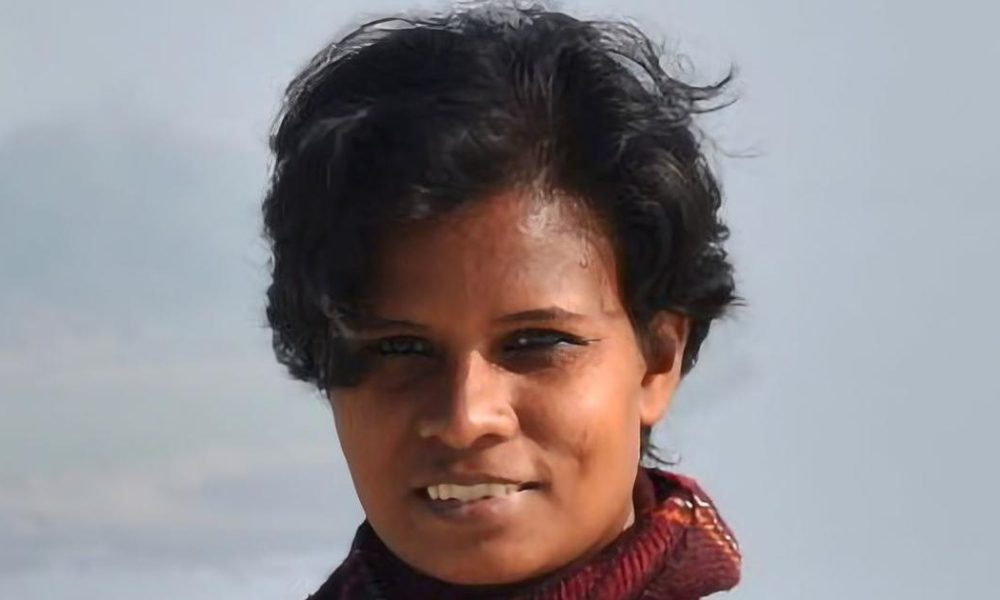
In a cultural landscape often dominated by external narratives, Adivasi communities are increasingly taking charge of their own storytelling, thanks to a new generation of writers. Among them, Jacinta Kerketta stands out as a compelling voice. Her poetry, journalism, and essays reflect a deep connection to memory, land, language, and resistance, challenging mainstream views while showcasing the vibrant traditions of Adivasi cultures.
Kerketta’s works, including her poetry collections such as Angor, Jadon Ki Zameen, Ishwar Aur Bazaar, and Prem Mein Ped Hona, emphasize memory not as a solitary experience but as a collective reservoir shaped by the landscapes, flora, and communities that Adivasis inhabit. In a recent interview, she elaborated on how memory serves as an indigenous archive, forged through oral traditions that have long been the backbone of Adivasi cultural expression.
For centuries, Adivasis have relied on oral storytelling—songs and folktales—to preserve their histories and experiences. These oral narratives were only later transcribed into written forms, which Kerketta argues underscores the importance of these traditions in shaping Adivasi identity. “When I reflect on memory,” she explains, “I see it as a communal asset, one that binds us to our environment and to each other.”
Kerketta also emphasizes the ethics of writing from within her community, acknowledging the responsibility that comes with depicting shared stories. This responsibility extends to the choice of language, where she navigates the politics of translation and representation. Her works illustrate how language can be a powerful tool of resistance, enabling Adivasi voices to reclaim their narratives from the clutches of others.
Furthermore, she highlights the crucial role women play in preserving collective memory, often serving as the keepers of stories and traditions. By spotlighting women’s contributions, Kerketta aims to inspire a renewed sense of self-confidence among Adivasi women, urging them to embrace their identities and histories. Her efforts align with a broader movement that seeks to empower marginalized communities, urging them to articulate their truths and futures on their own terms.
As more Adivasi writers like Kerketta emerge, they are reshaping the conversation around identity, memory, and resistance. Their narratives challenge existing paradigms and open avenues for deeper understanding of Adivasi lives, ultimately fostering a sense of pride and heritage among younger generations. Kerketta’s voice is not just a literary contribution; it is a clarion call for recognition and respect for Adivasi cultures, ensuring that their stories are told by them and for them.
Source: scroll.in



No Comment! Be the first one.