

Who Shapes Our Memories in the Age of Technology?
In today’s digital landscape, our memories often intertwine with the technology we use daily. Recently, I received an automated slideshow from my phone, featuring highlights from a past vacation....

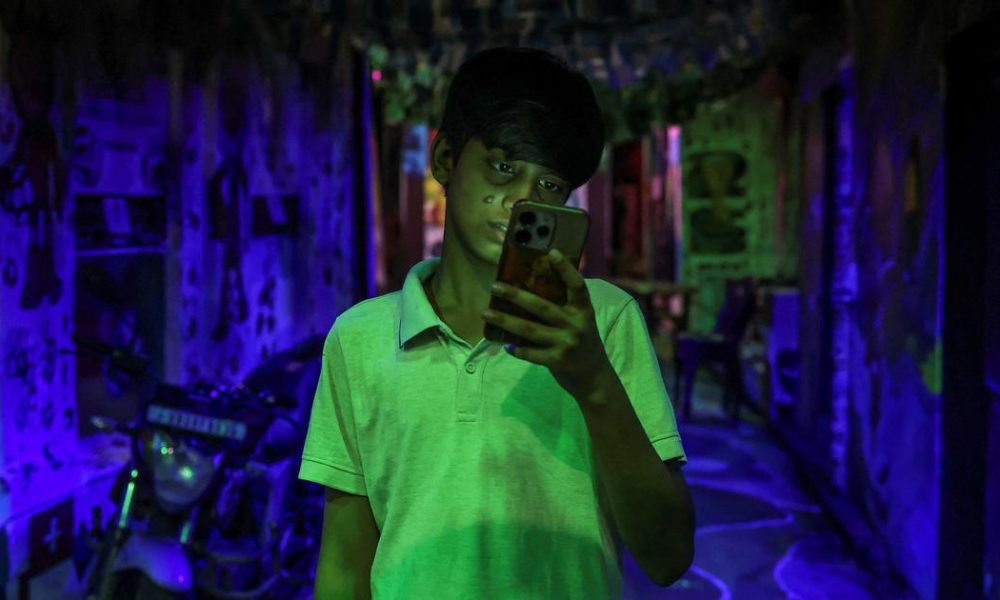
In today’s digital landscape, our memories often intertwine with the technology we use daily. Recently, I received an automated slideshow from my phone, featuring highlights from a past vacation. Accompanied by soothing music, the images depicted clear skies and joyful faces, evoking nostalgia. However, a sense of disquiet settled over me as I realized I had no say in the selection of the photos, their sequence, or even the mood conveyed. This raises an important question: if a machine dictates the essence of my memories, how authentic are they?
Our understanding of memory is complex and continually evolving. Groundbreaking research by Elizabeth Loftus, a renowned psychologist, has shown that memories can be altered by simply rephrasing a question. This demonstrates that memory is not a precise recording of events but rather a malleable construct that gets reshaped each time we recall it. As we rely more on external devices to capture and store our memories, the boundary between our cognition and the environment becomes increasingly blurred.
This phenomenon has been termed the “extended mind” by philosophers Andy Clark and David Chalmers. They argue that tools and technology augment our cognitive capacity and alter the way we process information. In media theory, similar themes arise through the concepts of mediatisation and mediation, where our understanding of historical events is often filtered through curated media representations. A striking example of this can be seen in the collective memory of the September 11 attacks. Over the years, films and news reports have largely overshadowed personal accounts, reshaping public perception of the tragedy.
As we navigate through a world saturated with digital memories, it’s crucial to reflect on how much of our recollections are authentically ours. When our experiences are mediated by algorithms and curated content, we must consider the implications for our personal and collective identities. Are we losing touch with our genuine experiences, or are we merely evolving in how we remember?
In the Indian context, where personal narratives and shared histories play a significant role in shaping culture, the influence of technology on memory can have profound implications. As we increasingly depend on social media and digital platforms to preserve our memories, we must remain aware of the potential distortions these tools can introduce to our recollections. The challenge lies in striking a balance between embracing technological advancements and preserving the authenticity of our lived experiences.
Source: scroll.in





No Comment! Be the first one.