

Supreme Court Issues Notices to Election Commission Amidst Controversies Over Electoral Roll Changes and Protest Site De-notification
The Supreme Court of India has taken significant action by issuing notices to the Election Commission and its Chief Election Commissioner, Gyanesh Kumar, following a series of petitions lodged by...

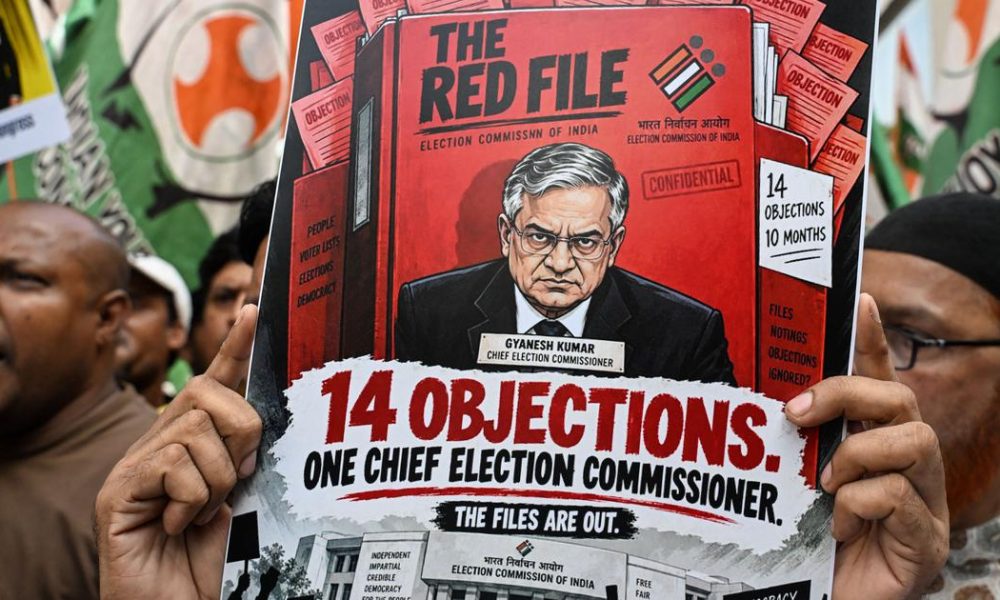
The Supreme Court of India has taken significant action by issuing notices to the Election Commission and its Chief Election Commissioner, Gyanesh Kumar, following a series of petitions lodged by opposition leaders. These petitions contend that the recent extensive deletions during the special intensive revision of the electoral rolls could undermine the democratic process. The situation has become a flashpoint in the current political climate, highlighting concerns over electoral integrity just months ahead of crucial elections.
In a related development, the Union government and Delhi Police also received notices regarding a separate petition that challenges the de-notification of Jantar Mantar, a site historically recognized for protests. This action has raised alarms among activists and opposition parties, who argue that it diminishes their right to peaceful assembly. Earlier this week, the Delhi Police informed the Delhi High Court that this decision stemmed from a Supreme Court order, which led authorities to seek more suitable locations for protests, citing concerns about safety and logistics.
The Supreme Court’s decision to group the opposition’s pleas with existing petitions questioning the validity of the electoral roll revisions illustrates the judiciary’s proactive approach in dealing with these pressing issues. The electoral roll revision process is vital for ensuring fair representation and integrity in upcoming elections, making these legal challenges pivotal in safeguarding democratic procedures.
Adding another layer to the week’s developments, the Supreme Court has granted interim protection to a woman journalist who was accused of making casteist comments by Delhi Assistant Commissioner of Police, Vivek Bhagat. This case emerged after the journalist alleged that Bhagat had groped her during her coverage of protests against the Chief Election Commissioner, Gyanesh Kumar. Notably, Advocate Indira Jaisingh, representing the journalist, argued that the police officer’s allegations were retaliatory, aiming to silence her voice amidst ongoing tensions surrounding the electoral process.
Solicitor General Tushar Mehta, while representing the government during the hearings, emphasized the complexities of the digital age, where the line between creators and disseminators of information becomes increasingly blurred. This statement comes as the country grapples with the challenges posed by misinformation and the need for robust legal frameworks to protect both freedom of expression and individual rights.
Source: scroll.in





No Comment! Be the first one.