

Saudi Court Reverses Death Sentence for Sri Lankan Worker Accused of Blasphemy
A recent ruling by a Saudi Arabian court has brought relief to the family of a Sri Lankan migrant worker, Anojan Sivarasa, who was previously sentenced to death for allegedly making blasphemous...


A recent ruling by a Saudi Arabian court has brought relief to the family of a Sri Lankan migrant worker, Anojan Sivarasa, who was previously sentenced to death for allegedly making blasphemous comments on social media. The decision to overturn the death penalty was confirmed by Sri Lankan Deputy Foreign Minister Arun Hemachandra on Wednesday, highlighting the diplomatic efforts made by Sri Lanka to advocate for Sivarasa’s clemency.
The case dates back to September when Sivarasa, a 27-year-old worker, was convicted for comments he posted on Facebook that were deemed derogatory towards Islam and the Prophet Muhammad. His imprisonment stemmed from escalating religious tensions on social media, especially following a widely circulated video of a Muslim man kicking a dog that was closely following Hindu pilgrims. This incident ignited a flurry of heated exchanges online, during which Sivarasa made remarks that ultimately led to his legal troubles.
Sivarasa’s comments, which he later deleted and followed up with an apology video, were captured in a screenshot and forwarded to his employer and Saudi authorities, resulting in his arrest in July. The severity of the punishment drew significant attention and concern, prompting the Sri Lankan government to engage with Saudi officials to seek his release. In a statement, Hemachandra expressed gratitude towards the Saudi government for their cooperation in reviewing the case.
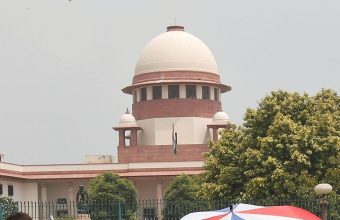
This incident not only underscores the sensitive nature of religious discourse in the region but also highlights the broader issues surrounding the treatment of migrant workers in Gulf countries. Sri Lankan officials worked tirelessly to advocate for Sivarasa, emphasizing the need for a fair and just examination of the circumstances surrounding his case. With the Supreme Court’s decision to annul the death sentence, there is hope for a more lenient resolution, though the exact implications for Sivarasa’s future remain uncertain.
Human Rights Watch has previously called for the abolition of the death penalty in blasphemy cases, urging countries to reconsider such harsh punishments in light of freedom of expression concerns. As the global conversation on religious tolerance and human rights continues, Sivarasa’s case serves as a reminder of the delicate balance between cultural sensitivities and the rights of individuals, particularly those from minority backgrounds.
Source: scroll.in




No Comment! Be the first one.