

Protests Impact Delhi Metro Ridership as Supreme Court Intervenes
The recent protests against Chief Election Commissioner Gyanesh Kumar in Delhi have had a significant impact on metro ridership, as revealed in a report submitted to the Supreme Court. The Delhi...

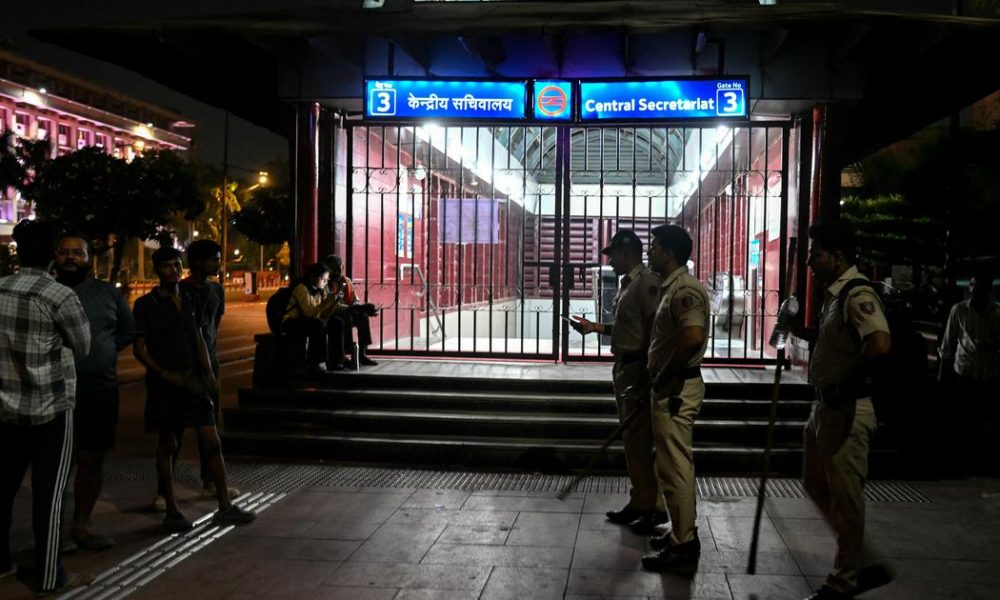
The recent protests against Chief Election Commissioner Gyanesh Kumar in Delhi have had a significant impact on metro ridership, as revealed in a report submitted to the Supreme Court. The Delhi Metro Rail Corporation (DMRC) informed the court that while metro services remained fully operational on October 10, the number of commuters dropped dramatically, with only 3.2 million using the service compared to the usual 5.8 million on a typical second Saturday.
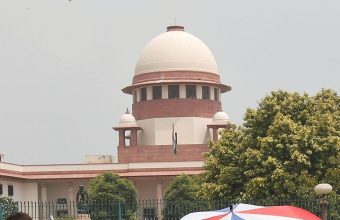
This decline in passenger numbers is attributed to widespread protests that led many residents to avoid metro travel. The Supreme Court has been monitoring this situation closely, as petitions challenging the restrictions on public transport and the detention of protesters were brought before the bench. On the preceding Friday, the court had prohibited the complete closure of metro services following concerns raised by commuters and civil rights advocates.
A bench comprising Justices Joymalya Bagchi and V Mohana emphasized the need for accountability from the authorities, especially regarding earlier orders regarding public transport operations. The judges instructed the DMRC to submit an affidavit to justify any actions that might lead to contempt proceedings against them. The atmosphere surrounding the protests, which have been characterized by significant public involvement, has drawn the attention of the judiciary and the media alike.
Despite the protests, the DMRC clarified that there was no reduction in the frequency of train services. However, entry and exit at 45 of the 303 metro stations were restricted based on directives from the Delhi Police. This measure was likely intended to maintain order during the protests, but it inadvertently contributed to the reduced footfall of commuters.
The ongoing situation highlights the intersection of civic action and public transport infrastructure in a bustling metropolitan area like Delhi. As protests continue to unfold, the implications for commuter habits and the operational strategies of the metro system remain a topic of public interest and legal scrutiny.
Source: scroll.in




No Comment! Be the first one.