

The Strategic Importance of Khemkaran: How Irrigation Canals Bolstered India’s Defense in Punjab
The Khemkaran sector, located in the southwestern region of the Bari Doab, has played a pivotal role in the defense strategies of the Indian Army, particularly during critical conflicts in the...

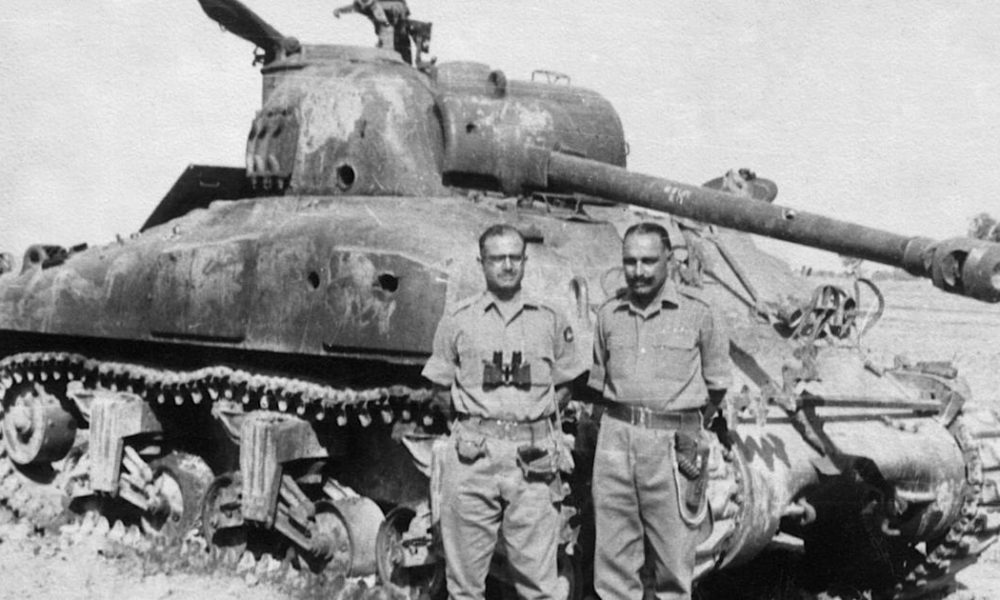
The Khemkaran sector, located in the southwestern region of the Bari Doab, has played a pivotal role in the defense strategies of the Indian Army, particularly during critical conflicts in the region. This area lies sandwiched between the Ravi, Beas, and Sutlej rivers, with significant geographical features shaping its landscape. The international border is situated a short distance to the west of the Ichhogil Canal, while the Grand Trunk Road runs to the north, further accentuating the strategic importance of Khemkaran.
The terrain in Khemkaran is characterized by a gradual slope from the northeast towards the southwest, influencing both agricultural practices and military movements. The network of nalas, distributaries, and surface drains that crisscross the land follows this natural incline, which has been instrumental in establishing irrigation channels and facilitating transportation. Among the major canals in the region are the Upper Bari Doab Canal, the Kasur Branch, and the Sobraon Branch. These canals not only nourish the soil but also create accessible routes for movement across the landscape.
The interconnectivity provided by these water bodies has been a double-edged sword; while they irrigate the land and support agricultural productivity, they also form critical corridors for military maneuvering. Particularly, the alignment of these canals from northeast to southwest creates favorable pathways for movement towards the Grand Trunk Road, a vital artery that runs through the country. This orientation has historically allowed for easier logistics and troop movements, especially during times of conflict.
During military engagements, the Khemkaran sector has proven advantageous for the Indian Army, allowing for rapid deployment and efficient supply routes. The flat fields and well-structured irrigation systems have facilitated not just agricultural growth but also strategic mobility for defense purposes. The ability to harness these natural features has undoubtedly strengthened India’s position in the region, providing a tactical edge during crucial moments.
In conclusion, the geography of the Khemkaran sector, marked by its irrigation canals and flat terrain, has significantly influenced military strategies and agricultural practices alike. Understanding the role of this landscape not only highlights the importance of natural features in defense planning but also underscores the resilience and adaptability of the Indian Army in utilizing its surroundings to secure national interests.
Source: scroll.in







No Comment! Be the first one.