

Youth Protest Erupts in Delhi: A Call for Change Amidst Modi’s Governance
On October 10, a significant demonstration unfolded in the heart of Delhi, where thousands of young individuals gathered to voice their discontent with the current administration. This large...

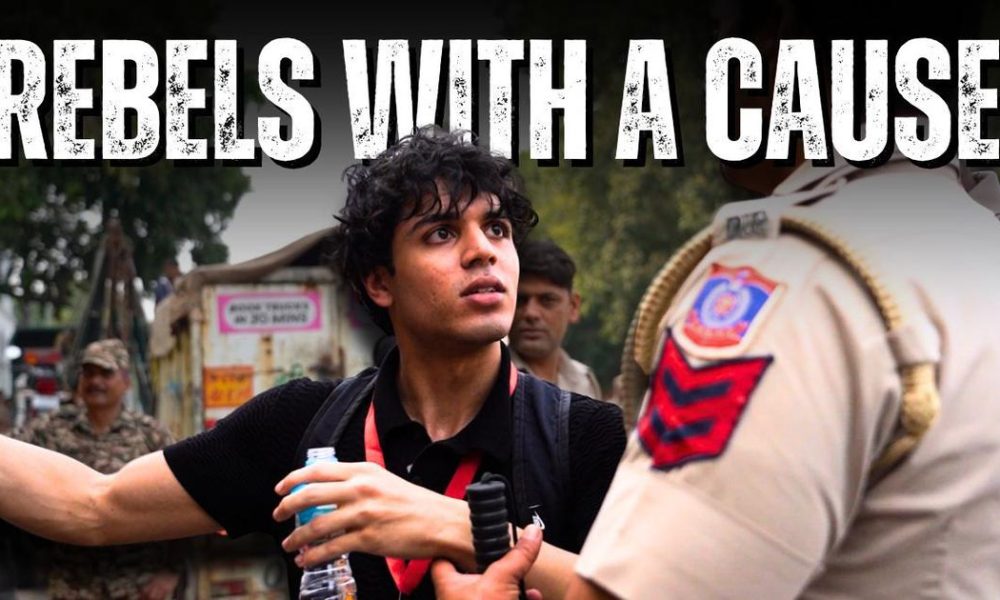
On October 10, a significant demonstration unfolded in the heart of Delhi, where thousands of young individuals gathered to voice their discontent with the current administration. This large assembly, which defied the extensive security measures implemented by the Delhi Police, primarily focused on demanding the resignation of the Chief Election Commissioner. This act of defiance highlights a growing wave of discontent among the younger generation towards the Modi government.
Among the protestors were diverse voices, including a 25-year-old former student of international law who had taken it upon himself to document police actions against the demonstrators. He aimed to shed light on what many perceive as excessive force used to quell dissent. Another participant, also 25 years old, traveled all the way from Muzaffarnagar in Uttar Pradesh, skillfully navigating through the disrupted roads to reach the national capital. Despite their different backgrounds, both individuals exemplified the fearless spirit of youth willing to stand up against perceived injustices.
This gathering was not just about the immediate demands regarding the election commission but underscored a broader discontent with the Modi administration’s policies. As issues such as unemployment, economic instability, and social justice take center stage, many young Indians feel compelled to raise their voices in protest. The generational divide is becoming increasingly evident, with younger citizens seeking a more accountable and responsive governance.
The protests were marked by chants and placards, symbolizing the frustrations that have been mounting over the years. From rising unemployment rates to concerns about civil liberties, the grievances expressed on the streets reflect a yearning for change. Activists and analysts are now paying close attention to these developments, viewing them as a potential turning point in Indian politics.
As this movement gains momentum, questions arise regarding the future of youth engagement in the political arena. Will this uprising lead to a significant shift in policy and governance, or will it be another flashpoint in the ongoing political discourse? Regardless, the event on October 10 serves as a reminder that the youth of India are increasingly unwilling to accept the status quo.
Source: scroll.in






No Comment! Be the first one.