

Ancient DNA Fragments Raise Questions About Smallpox’s Historical Impact
Smallpox, a disease that has plagued humanity for centuries, is the sole infectious disease to have been completely eradicated globally. Recent scientific discoveries have brought renewed attention...

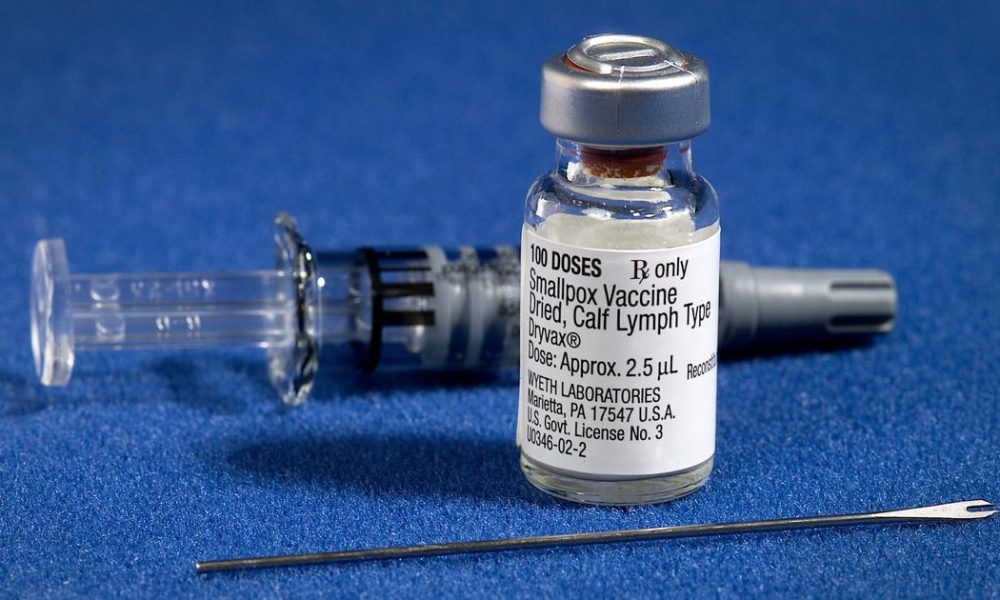
Smallpox, a disease that has plagued humanity for centuries, is the sole infectious disease to have been completely eradicated globally. Recent scientific discoveries have brought renewed attention to this deadly virus, as researchers have unearthed fragments of ancient DNA from the variola virus, the causative agent of smallpox, in the naturally mummified remains of two Indigenous individuals in northern Chile.
The variola virus resulted in severe outbreaks throughout history, with its most virulent form, variola major, claiming the lives of approximately 30% of those infected. The first recorded outbreak in the Americas was documented on Hispaniola in 1518, during a time when European colonization was causing widespread disruption and tragedy among Indigenous populations. The subsequent smallpox epidemics contributed significantly to the staggering decline of Indigenous communities during the 16th century, as they faced the dual challenges of foreign violence and disease.
In response to the devastating toll of smallpox, the World Health Organization (WHO) initiated an extensive eradication campaign in 1967, which combined widespread vaccination efforts with rigorous surveillance and containment strategies. This monumental public health initiative culminated in the last naturally acquired case reported in Somalia in 1977, leading to the historic declaration of smallpox eradication in 1980. Currently, live variola virus samples are securely stored in two high-security laboratories designated by the WHO for authorized research purposes.
The recent findings in Chile consist of damaged genetic fragments of the virus, preserved for centuries, providing a unique glimpse into the past. These remains are estimated to date back to a period between 1492 and 1631, a transformative time marked by the transition from Inca rule to Spanish colonial governance. The recovery of these ancient smallpox genomes marks a significant milestone in the field of historical virology, as they are the first of their kind to be retrieved.
While the fragments themselves do not pose a threat, they open up critical discussions regarding the historical impact of smallpox and its role in shaping the demographics of the Americas. As researchers delve deeper into these ancient samples, there is a potential to better understand how the disease may have influenced Indigenous populations and the broader implications of European colonization. This investigation not only sheds light on the past but also serves as a reminder of the importance of vaccination and public health measures in safeguarding against infectious diseases.
Source: scroll.in







No Comment! Be the first one.