

Razia Sajjad Zaheer’s ‘Darkness and Other Stories’: A Deep Dive into Political Consciousness
The recently released collection “Darkness and Other Stories,” translated from Urdu by Saba Mahmood Bashir, showcases the profound narrative style of Razia Sajjad Zaheer, an author...

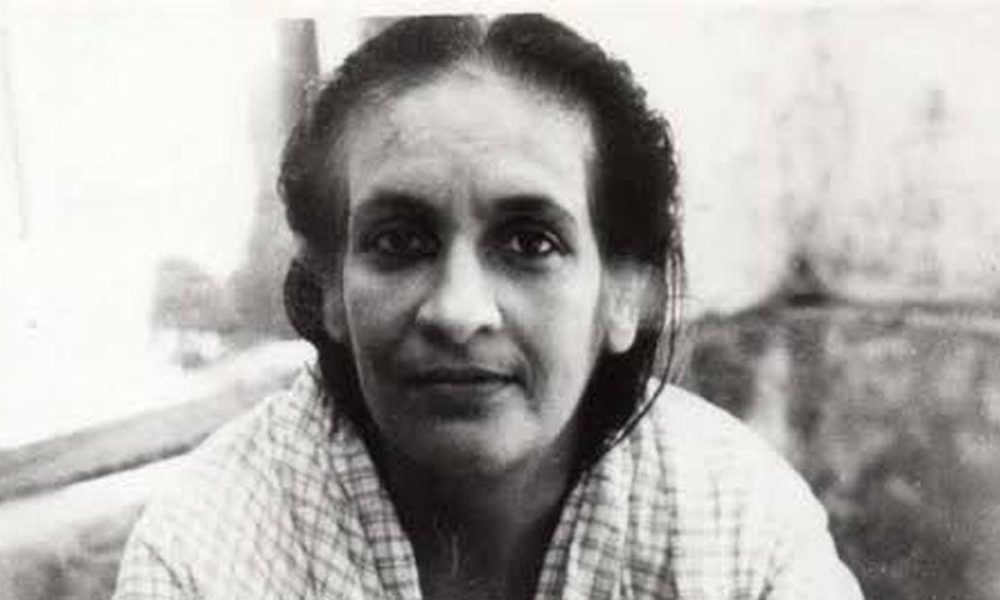
The recently released collection “Darkness and Other Stories,” translated from Urdu by Saba Mahmood Bashir, showcases the profound narrative style of Razia Sajjad Zaheer, an author well-known for her politically charged fiction. One of the standout stories, titled “Darkness,” unfolds during a train journey that starkly echoes the contemporary anxieties felt by Muslims in India.
The narrative follows Zaheer herself, as she embarks on a train ride from Old Delhi Railway Station to Amritsar. This setting reflects a deeper struggle reminiscent of earlier literary works, notably Rasheed Jahan’s “Dilli ki Sair,” which depicted the plight of a woman waiting idly at the railway station, overshadowed by the presence of strange men while her husband socializes with friends. However, Zaheer’s character breaks free from such constraints; she is a university graduate and an advocate for progressive Urdu literature, embodying a modern Muslim woman.
As the story unfolds, Zaheer’s journey reveals a palpable sense of unease. The absence of other women in her First-Class compartment amplifies her discomfort, compounded by the weight of her Muslim identity, which feels like a glaring target in a society rife with communal tensions. Traveling through Punjab, the train’s path intersects with a landscape marked by the haunting memories of the Partition, a historical event that continues to shape the collective psyche of its inhabitants.
Zaheer’s narrative serves as a poignant reminder of the fragility of safety and identity, especially for women in turbulent socio-political contexts. The story captures the essence of fear that accompanies her journey, an anxiety deeply rooted in the historical violence that once characterized train rides during the tumultuous times of Partition. This backdrop lends a chilling perspective to her experience, transforming an ordinary journey into a commentary on societal vulnerability and the ongoing struggles faced by marginalized communities.
Through her powerful storytelling, Zaheer not only reflects the personal anxieties of her protagonist but also invites readers to engage with broader themes of gender, religion, and the enduring impact of historical wounds. “Darkness and Other Stories” is, therefore, not just a collection of tales but a vital exploration of contemporary Indian society and its complexities.
Source: scroll.in





No Comment! Be the first one.