

Protests Erupt in Delhi Demanding Resignation of Election Chief Amid Allegations of Electoral Rigging
In an unprecedented move, Delhi has entered a lockdown as authorities impose strict restrictions aimed at preventing gatherings, particularly among the youth, at Jantar Mantar on October 10. This...

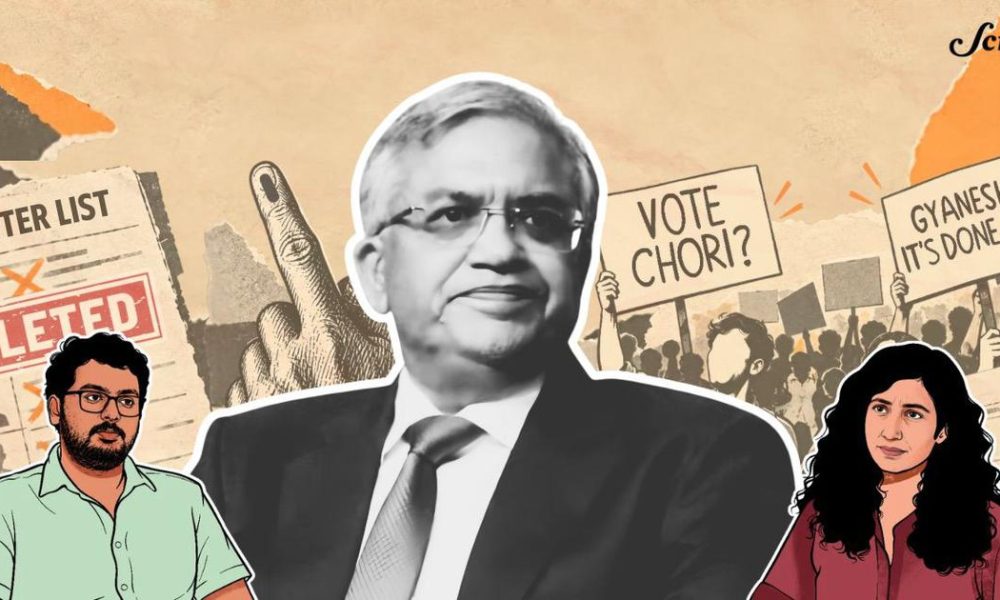
In an unprecedented move, Delhi has entered a lockdown as authorities impose strict restrictions aimed at preventing gatherings, particularly among the youth, at Jantar Mantar on October 10. This comes in response to rising protests calling for the resignation of Gyanesh Kumar, India’s Chief Election Commissioner, following serious allegations regarding his handling of electoral processes.
The unrest was ignited by a recent investigative report by the Indian Express, which unveiled that Kumar had failed to communicate essential decisions regarding the Special Intensive Revision of electoral rolls to his fellow commissioners. This oversight has reportedly disenfranchised millions of voters across the country, raising concerns about the integrity of the electoral process.
Despite the call for Kumar’s resignation, experts warn that removing one individual from the Election Commission may not sufficiently address the deeper issues plaguing India’s electoral system. Concerns have been raised regarding systemic problems that go beyond individual misconduct, suggesting that India’s election machinery may be fundamentally flawed. The ongoing protests reflect a broader discontent with perceived electoral malpractices and the institutional capture of the Election Commission.
In a recent episode of True Story, Supriya Sharma, Executive Editor at Scroll, engages with investigative journalist Ayush Tiwari, who has diligently reported on the various facets of electoral manipulation, vote suppression, and the political dynamics influencing the Election Commission. Tiwari emphasizes that the issues affecting elections in India are extensive and deeply rooted, making the task of restoring public trust in the electoral process a significant challenge.
The backdrop to these protests highlights a significant crisis in democratic governance, where many citizens feel that their voices are being silenced. As the protests escalate, calls for transparency and accountability within the electoral framework are intensifying, with many citizens yearning for a system that truly reflects their will. The future of free and fair elections in India now hangs in the balance as the nation watches and waits for a resolution to this critical issue.
Source: scroll.in






No Comment! Be the first one.