

Unraveling the Mystery of Bhagat Singh’s Pistol: A Deep Dive into Revolutionary History
A new investigation into the life of legendary freedom fighter Bhagat Singh has emerged through the lens of AG Noorani’s book, The Trial of Bhagat Singh. The author raises a compelling point...

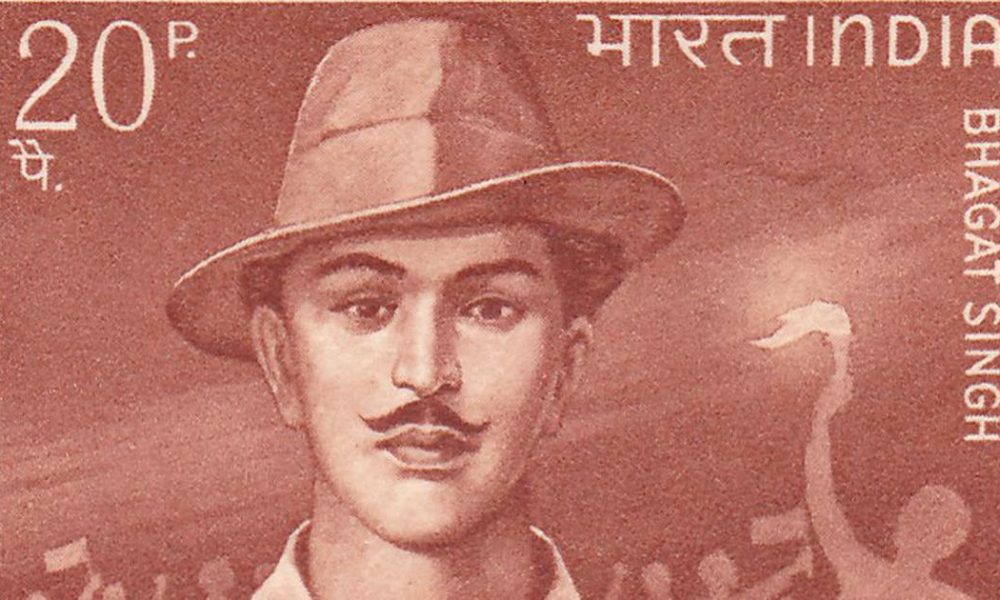
A new investigation into the life of legendary freedom fighter Bhagat Singh has emerged through the lens of AG Noorani’s book, The Trial of Bhagat Singh. The author raises a compelling point regarding a pivotal incident in Singh’s life—the daring act in the Assembly that led to his eventual capture. Noorani suggests that had Singh not engaged in this bold venture, he might have evaded arrest in the assassination of British officer JP Saunders. This prompts us to ponder a critical question: how would the trajectory of India’s freedom struggle have changed had Singh escaped execution in the Lahore Conspiracy Case?
Central to this discussion is the infamous pistol that was used in the act against Saunders. Despite its significance in one of India’s most defining revolutionary moments, its origins remain clouded in mystery. Historical accounts suggest that the firearm may have been presented to Singh by Chandra Shekhar Azad, the renowned commander of the Hindustan Socialist Republican Association (HSRA). Known for his expertise and passion for firearms, Azad was instrumental in supplying weapons to various revolutionaries fighting against British colonial rule.
In the writings of revolutionary figure and author Manmathnath Gupta, an intriguing story about Azad is told. He describes Azad’s dedication to mastering different types of firearms, including the Mauser pistol—a weapon that would become emblematic of the revolutionary struggle. The fact that a weapon of such historical importance can be traced back to Azad adds layers to the narrative of the freedom struggle and highlights the interconnectedness of the revolutionaries.
The significance of this pistol transcends its physical form; it represents a symbol of resistance. The act of using a firearm against colonial authorities marked a turning point in the Indian independence movement, transforming Bhagat Singh into a martyr for the cause. His execution in 1931 ignited a fierce wave of nationalist sentiments, further galvanizing the struggle for freedom. The questions surrounding the pistol thus open up broader discussions about the sacrifices made by revolutionaries and the impact of their actions on India’s path to independence.
As we delve deeper into these historical narratives, it becomes clear that the legacy of Bhagat Singh and his comrades is not just about their revolutionary activities, but also about the values they stood for—courage, sacrifice, and an unwavering commitment to justice. Understanding the story of the pistol not only helps us appreciate the intricacies of their struggle but also invites us to reflect on the ideals that continue to inspire generations in India today.
Source: scroll.in






No Comment! Be the first one.