

Anonymous Post Highlights Controversial Anti-Caste Readings, Sparks PMO Interest
The recent emergence of an anonymous post on social media platform X has stirred significant attention, even drawing the gaze of the Prime Minister’s Office (PMO). The post included a list of...

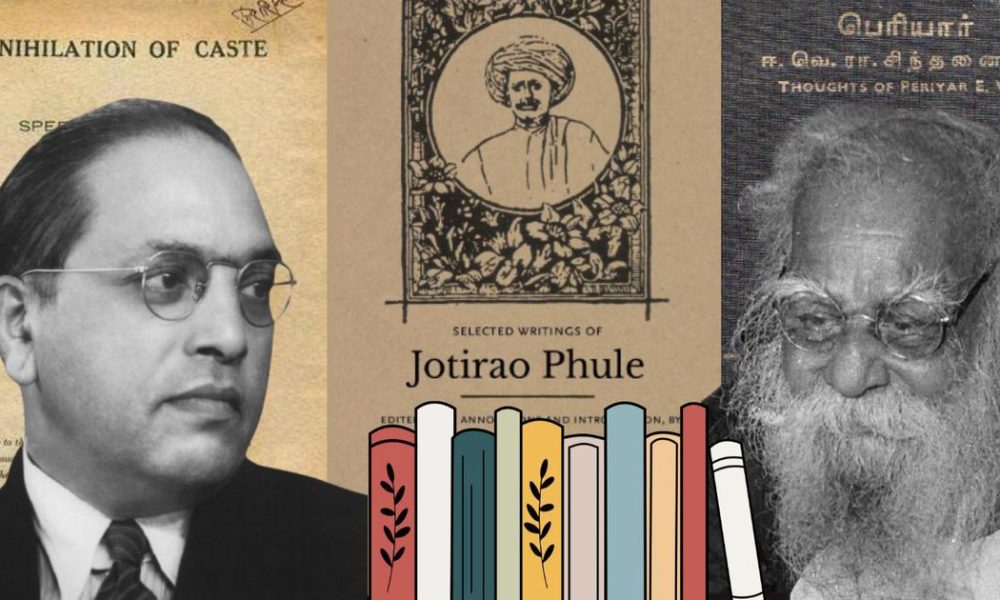
The recent emergence of an anonymous post on social media platform X has stirred significant attention, even drawing the gaze of the Prime Minister’s Office (PMO). The post included a list of literary works that the user labeled as ‘poison,’ among which was a collection by the renowned Dravidian leader Periyar EV Ramasamy. This has led to a broader discussion concerning the teaching of anti-caste literature in Indian educational institutions.
Periyar, a pivotal figure in the Dravidian movement, is celebrated for his critiques of societal norms, particularly those surrounding gender and caste. In his writings, he challenges the notion that chastity and moral expectations should be disproportionately placed on women. His assertion that such standards should equally apply to men has prompted ongoing debate regarding gender equality and societal norms. “If literature is aimed at fostering justice and proper conduct, then why should women bear the brunt of these societal expectations alone?” Periyar questioned, a sentiment echoed by modern scholars.
N Sukumar, a political science professor at Delhi University, expressed concern over the PMO’s interest in the anonymous user’s claims. He noted that discussions around Periyar’s themes — which include chastity, love, marriage, and motherhood — are not merely academic but essential for understanding contemporary Indian society. Sukumar articulated the importance of encouraging open dialogues about these subjects in classrooms, arguing that such debates are crucial for addressing the historical and ongoing legacies of caste and patriarchy.
The PMO’s involvement, noted after Sukumar received communication on September 27, raises questions about the state’s stance on educational content and freedom of expression. Many academics fear that labeling significant literary works as ‘poison’ could pave the way for censorship in educational settings. They argue that the value of engaging with diverse perspectives is crucial to fostering critical thinking among students.
As this issue unfolds, it highlights the ongoing tension between traditional norms and progressive thought in India. The discussion surrounding Periyar’s writings may serve as a litmus test for the broader societal acceptance of anti-caste literature and the challenges advocates face in promoting these vital narratives. With a legacy that continues to influence contemporary debates, Periyar’s work remains an important focal point for those advocating for a more equitable society.
Source: scroll.in






No Comment! Be the first one.