

Exploring India’s Journalistic Legacy: Saeed Naqvi’s Journey Through Global Reporting
Saeed Naqvi’s latest work, “The World Was Not Their Story: An Odyssey of an Indian Reporter,” brings to light the transformative journey of Indian journalism over the past six...

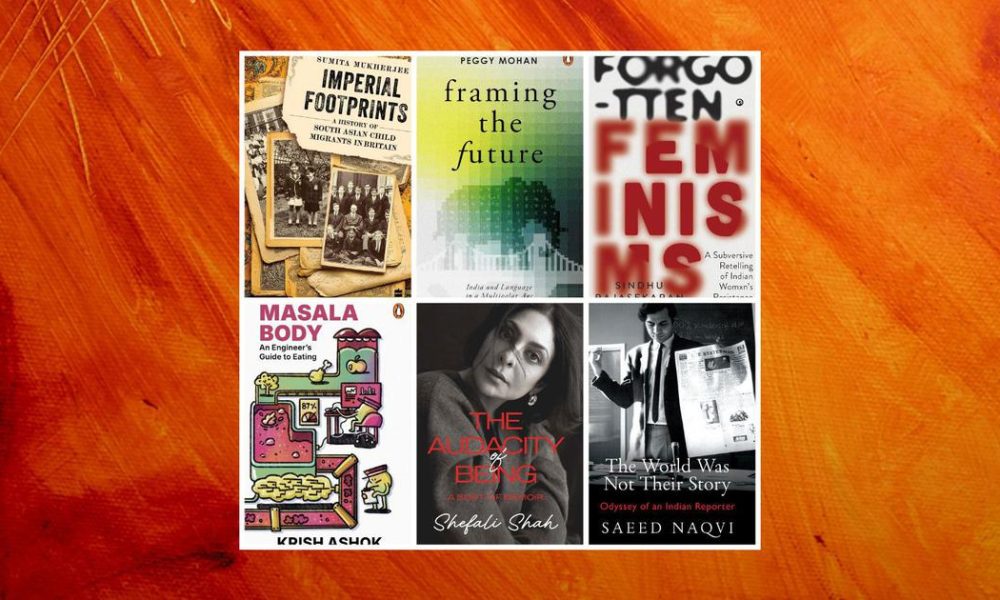
Saeed Naqvi’s latest work, “The World Was Not Their Story: An Odyssey of an Indian Reporter,” brings to light the transformative journey of Indian journalism over the past six decades. In a landscape where Indian media often relied heavily on Western narratives, Naqvi’s career stands out as a beacon of independence and integrity. He set out to redefine how India interacts with global stories, making it a significant chapter in the history of Indian journalism.
Starting his career with The Statesman in the 1960s, Naqvi quickly gained prominence when he covered the Beatles’ visit to Rishikesh, a story that resonated across continents. His journalistic prowess further solidified when he reported on the Bihar movement, garnering the trust of eminent political figures like Jayaprakash Narayan. These early experiences not only shaped his perspective but also laid the groundwork for a career characterized by fearless reporting.
After a meaningful tenure at The Indian Express, where his association with media stalwart Ramnath Goenka involved him in significant political battles, particularly during the Emergency, Naqvi founded the news agency World Report in 1984. This venture was aimed at positioning Indian journalists in the heart of global events, fostering a sense of representation that had been missing in mainstream media. His commitment took him to over 110 countries, often as the solitary Indian journalist covering critical international stories.
Naqvi’s reporting journey has seen him traverse troubled terrains, from the chaos of the 1971 JVP insurrection in Sri Lanka to the intense Sino-Vietnamese War. His presence during pivotal moments, such as the TWA 847 hijacking in Beirut and Nelson Mandela’s release from prison, showcases not only his dedication but also the rich tapestry of global events he has chronicled. His interviews with world leaders, including Fidel Castro, Mikhail Gorbachev, and Muammar Gaddafi, highlight his unique position as a bridge between Indian perspectives and world affairs.
The book delves into Naqvi’s experiences covering significant global events like the Islamic Revolution in Iran and Operation Desert Storm in Iraq. His insights into conflicts in Rwanda, Sudan, Haiti, and Kosovo, along with his observations from Gaza, provide readers with a comprehensive understanding of international relations through an Indian lens. Naqvi’s narrative is not just about reporting; it’s about weaving Indian stories into the larger global fabric, illustrating how India is interlinked with world affairs.
In a time when narratives are often dictated by dominant powers, Naqvi’s work reminds us of the importance of diverse voices in journalism. His story serves as an inspiration for upcoming journalists to embrace the complexities of global reporting while staying rooted in their own cultural identities.
Source: scroll.in






No Comment! Be the first one.