

Unveiling Crime: The Journey of a British Officer Who Captured India in Fiction
As Edmund Cox’s three-decade career with the British Indian Police neared its conclusion, he faced a perplexing situation in the Bombay suburb of Bandora, now known as Bandra. A series of...

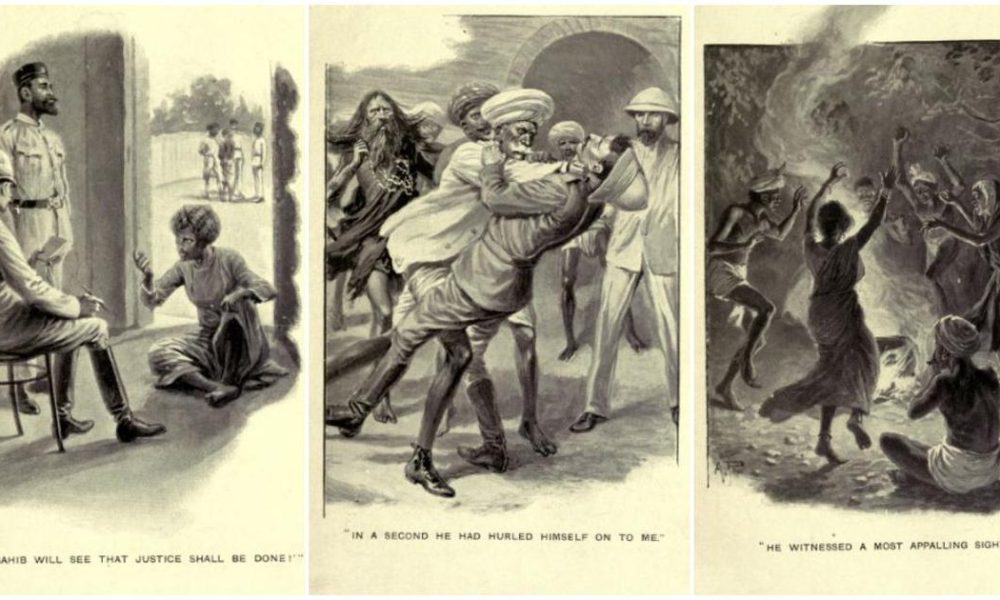
As Edmund Cox’s three-decade career with the British Indian Police neared its conclusion, he faced a perplexing situation in the Bombay suburb of Bandora, now known as Bandra. A series of burglaries had swept through the area, targeting the homes of affluent families who had fled during the devastating plague of 1896-1897. The police were initially baffled by the spike in crime, but the situation took a turn when two burglars were apprehended during their illicit activities.
The thieves’ confession left law enforcement astonished, as they were identified as members of the Waghris, a group labeled by the colonial administration as a “criminal tribe.” These individuals had established a network across the suburbs, utilizing the Baroda railway to seamlessly enter and exit the city, committing crimes without fear of capture. Such moments of tension, drama, and resolution would later serve as inspiration for Cox’s literary works.
Throughout his career, Cox’s assignments took him through various regions of India, notably the Bombay Presidency. In his memoir, “My Thirty Years in India” published in 1905, he reflected on his experiences in Poona, Dharwad, and Ahmednagar, traversing both Western and Southern India before progressing to Sindh and eventually Thana. His detailed accounts not only chronicled his police work but also painted a vivid picture of the social landscape during a tumultuous period in Indian history.
In another of his works, “Police and Crime in India” published in 1911, Cox delved deeper into the societal issues and criminal activities prevalent in the country. His firsthand experiences infused his writing with authenticity and detail, transforming real-life encounters into compelling narratives that captivated readers. The blend of crime-solving, human stories, and cultural observations made his writings significant, offering a glimpse into the complexities of colonial India.
Cox’s transition from law enforcement to author showcases the power of storytelling rooted in personal experience. His narrative style not only entertains but also provides contemporary readers with a nuanced understanding of India’s colonial past. As India continues to evolve, Cox’s works remind us of the intricate tapestry of history, society, and crime that shaped the nation.
Source: scroll.in







No Comment! Be the first one.