

Exploring the Impact of Nutrients on Healthspan: Can Food Choices Extend Our Well-Being?
In today’s digital age, social media is flooded with various health tips, from intermittent fasting to unique supplements, all promising to enhance longevity. However, merely living longer does...

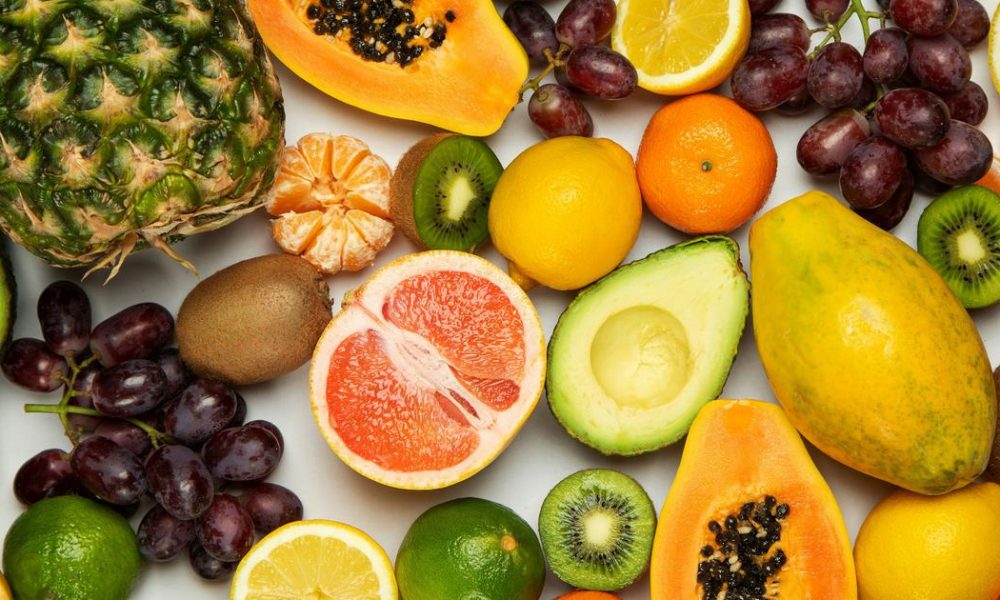
In today’s digital age, social media is flooded with various health tips, from intermittent fasting to unique supplements, all promising to enhance longevity. However, merely living longer does not necessarily correlate with maintaining good health during those additional years. Researchers are increasingly focusing on the concept of ‘healthspan’—the duration spent in good health, free from chronic diseases or disabilities.
According to the World Health Organization (WHO), the global life expectancy was recorded at 71.4 years in 2021, while the healthy life expectancy was significantly lower at 61.9 years. This disparity of nearly a decade emphasizes that while many may live to an old age, the quality of that life can vary greatly. Research indicates that this gap has been expanding in almost every country around the globe since 1990, raising concerns about the overall well-being of aging populations.
The WHO advocates for a more comprehensive view of healthy aging, one that encompasses the skills and abilities that allow individuals to engage in valued activities—ranging from routine tasks to nurturing relationships and contributing to their communities. This approach recognizes that it is possible to enjoy a fulfilling life even while managing health challenges. The term ‘functional healthspan’ is now being used to describe how long individuals can sustain the necessary skills for independent living, highlighting the complexities of aging.
As people age, they often experience a decline in muscle strength, aerobic fitness, and an increase in low-grade inflammation, commonly referred to as ‘inflammaging.’ These factors, however, do not affect everyone equally. Lifestyle choices, encompassing diet, exercise, and sleep, play a crucial role in the aging process. Additionally, external factors such as income, housing, and access to healthcare significantly influence how well individuals age.
Researchers have turned their attention to the effects of calorie restriction as a possible avenue for extending healthspan. By understanding how specific nutrients can mimic the effects of calorie reduction, scientists aim to unlock potential dietary strategies that not only prolong life but enhance the quality of those years. As interest in nutrition grows, especially in the Indian context where dietary habits are deeply intertwined with culture, the conversation around food’s role in health becomes increasingly vital.
Source: scroll.in







No Comment! Be the first one.