

The Resilience of Poetry in India’s Recent Protests: A New Voice for Imagined Communities
In the wake of recent protests in India, a unique cultural phenomenon has emerged, encapsulated by the powerful phrase, “I am a little cockroach.” This evocative line, a metaphor for...

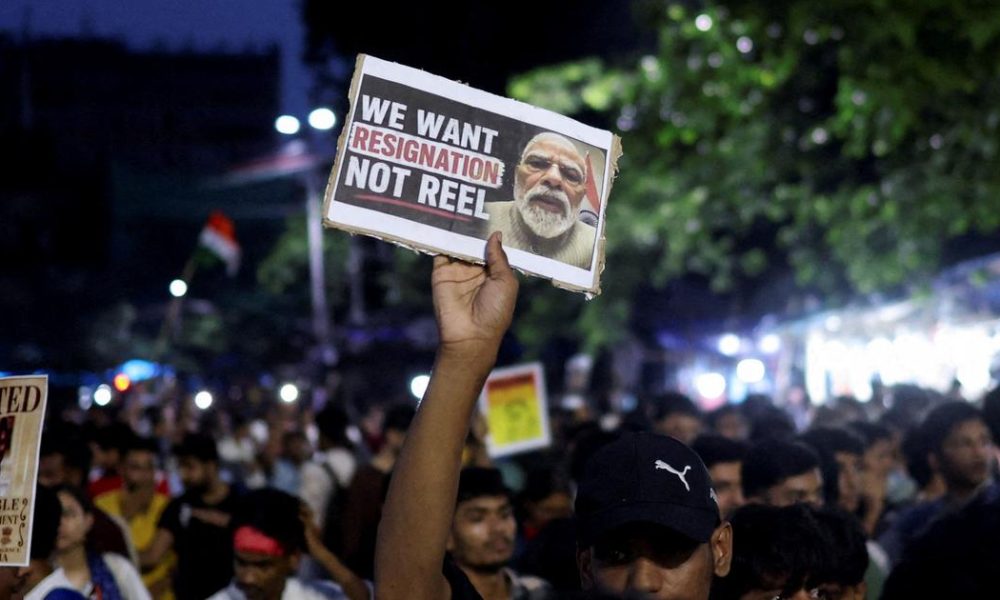
In the wake of recent protests in India, a unique cultural phenomenon has emerged, encapsulated by the powerful phrase, “I am a little cockroach.” This evocative line, a metaphor for resilience and survival, has echoed through the streets and social media, symbolizing a new form of non-violent resistance. The protests, particularly in response to the Citizenship Amendment Act (CAA) of 2019, have given rise to a wave of poetry that not only reflects the emotions of the participants but also fosters a sense of community among diverse groups of people.
The role of poetry in these protests cannot be understated. It serves as a tool for imagination, connecting individuals who may otherwise feel isolated in their dissent. As social media platforms overflow with poetic expressions, they become a vital medium for voices that might be marginalized in traditional political discourse. These creative outputs resonate with the historical context of India’s struggle for freedom, evoking memories of unity and collective action against oppression.
Scholar Benedict Anderson’s concept of “imagined communities” resonates deeply with the essence of these protests. The poetry being shared reflects an urgent desire to create and remind society of the bonds that tie individuals together, regardless of their backgrounds. This imagined community not only seeks to resist the current political climate but also looks forward, envisioning a more inclusive society that honors the diversity of its people.
The emergence of the Cockroach Janta Party protests has sparked numerous commentaries and publications, emphasizing the need to document and understand their significance. Poetry has become a pivotal aspect of archiving these moments, showcasing how art can actively oppose violence and foster dialogue. The engagement of creative expression in activism is a testament to the enduring power of words in shaping public sentiment and mobilizing communities.
As India navigates through these challenging times, the poetic voices rising from the protests remind us of the importance of empathy, solidarity, and hope. By harnessing the imaginative power of poetry, participants in these movements are not only reclaiming their narrative but also inspiring others to join in, creating a vibrant tapestry of resistance that resonates far beyond the streets of protest.
Source: scroll.in







No Comment! Be the first one.