

Supreme Court Overturns NSA Detention of Sambhal Violence Suspect Amid Political Turmoil
The Supreme Court of India has recently overturned the detention of Mulla Afroz, who was accused in connection with the violence that erupted in Sambhal in November 2024. The apex court ruled that a...

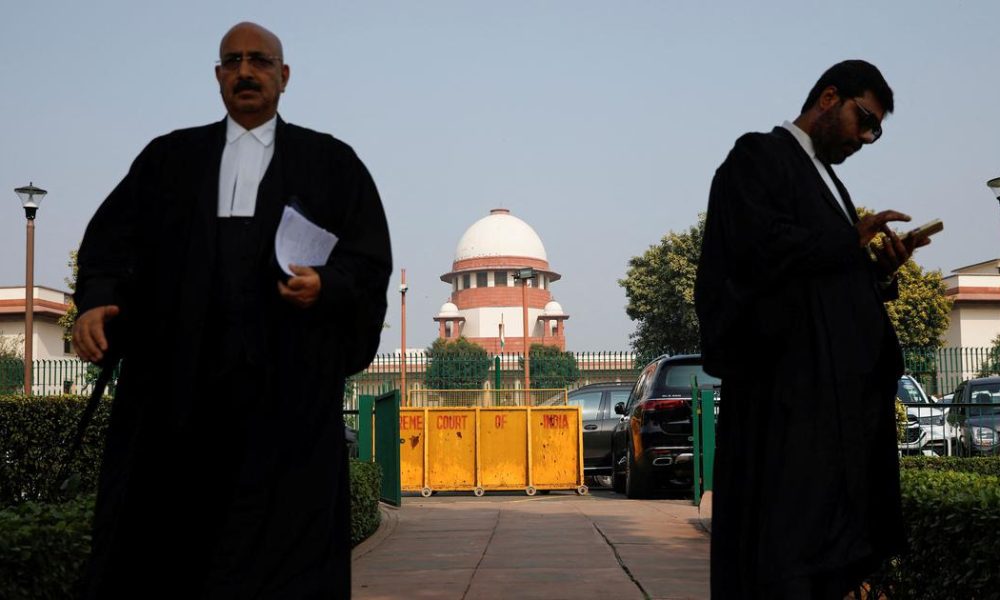
The Supreme Court of India has recently overturned the detention of Mulla Afroz, who was accused in connection with the violence that erupted in Sambhal in November 2024. The apex court ruled that a confessional statement cannot serve as the sole basis for a detention under the National Security Act (NSA). This decision highlights the delicate balance between national security and individual rights.
Mulla Afroz was arrested approximately 54 days after the violent incidents in Sambhal, which had raised significant concerns and unrest in the region. Although he was granted bail by the Allahabad High Court, the Uttar Pradesh government on October 13, 2025, issued a detention order under the NSA, citing a confession made during his police custody as justification. The Supreme Court’s ruling emphasizes the necessity for concrete evidence beyond mere confessions to justify such severe measures.
In another significant political development, the Congress party has accused Chief Election Commissioner Gyanesh Kumar of facilitating a “vote chori” or vote theft operation on behalf of Prime Minister Narendra Modi and Home Minister Amit Shah. This claim follows a resolution passed by the Congress Working Committee, which is the party’s highest decision-making body, demanding the resignation of the three officials involved to safeguard the Constitution and the integrity of Indian democracy.
The Congress party’s statement comes in light of concerns over the recent special intensive revision exercise conducted by the Election Commission, which the party claims was executed hastily and lacked transparent safeguards. This has stirred a heated political debate as the Opposition calls for the suspension of this exercise to ensure that electoral processes remain fair and secure.
As India approaches its next election cycle, these incidents reflect the growing tensions between governmental authorities and political parties regarding election integrity and civil liberties. The Supreme Court ruling adds complexity to the current atmosphere, raising questions about the application of the National Security Act and its implications for civil rights in India.
Source: scroll.in




No Comment! Be the first one.