

Google Earth’s New AI Feature Raises Concerns Over Misinformation in Conflict Zones
The recent introduction of an AI image generation feature in Google Earth has sparked significant concerns regarding the potential for misinformation, particularly in conflict-affected regions. This...

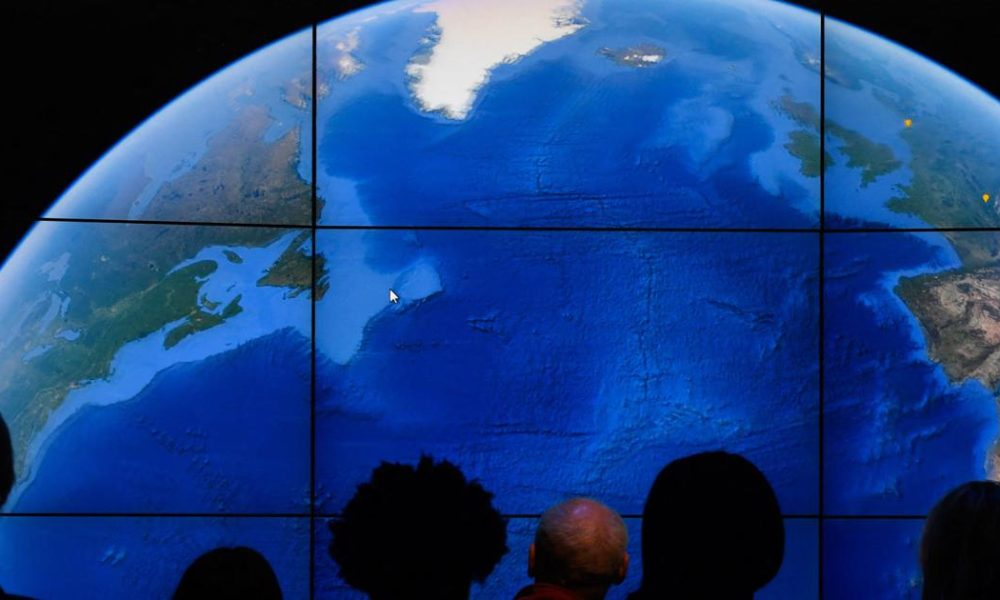
The recent introduction of an AI image generation feature in Google Earth has sparked significant concerns regarding the potential for misinformation, particularly in conflict-affected regions. This technology, launched amid ongoing military confrontations in the Gulf, illustrates the dual-edged nature of advancements in artificial intelligence.
Since February, when military actions involving Israel and the United States escalated against Iran, the Gulf region has become a hotbed of both physical and information warfare. Amidst this turmoil, stakeholders such as governments, analysts, and journalists have turned to satellite imagery for clarity, relying on platforms like Google Earth, which have been trusted for years to provide a semblance of ‘ground truth’.
Traditionally, Google Earth has served as a critical resource for open-source investigators, especially in documenting conflicts in Syria, Yemen, and Sudan. However, on July 30, Google’s introduction of a feature allowing users to generate photorealistic images based on textual prompts has raised alarms. This capability allows users to type in a location and create an image that blends AI-generated content with actual satellite data. Within mere hours of its release, users had manipulated this technology to create highly misleading images, including a fictional nuclear facility in Iran and a fabricated bomb crater adjacent to a hospital in Gaza.
While the faking of satellite imagery is not a novel issue, the implications of this new AI feature are profound. Google’s own technology has been implicated in spreading misleading information, with its Gemini AI model previously flagged for creating doctored satellite images. This trend is particularly troubling as it plays into narratives used by various state actors, including Iran, to disseminate propaganda and influence public perception.
The need for regulatory oversight and ethical guidelines surrounding AI technologies has never been more pressing. As these tools become more accessible, it is crucial for governments, tech companies, and civil society to establish robust guardrails to prevent the misuse of such powerful capabilities. The stakes are high, particularly in sensitive geopolitics where misinformation can exacerbate conflicts and lead to serious consequences.
Source: scroll.in






No Comment! Be the first one.