

India Lacks Data on Anemia Among Women and Children for the First Time in 30 Years
In a significant development, India has failed to provide any estimates regarding the prevalence of anemia among women and children for the first time since the initiation of the National Family...

In a significant development, India has failed to provide any estimates regarding the prevalence of anemia among women and children for the first time since the initiation of the National Family Health Surveys (NFHS) in the 1990s. This alarming gap in data was revealed following the release of findings from the sixth round of the NFHS, which took place between 2023 and 2024.
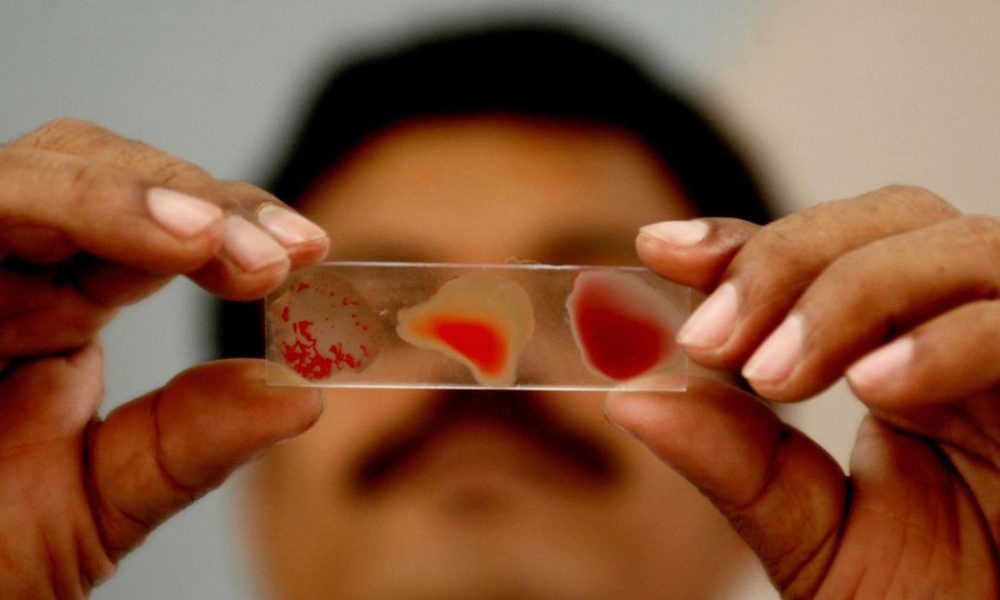
Anemia, characterized by insufficient levels of hemoglobin in the blood, is a major public health concern in India. Iron deficiency is recognized as one of the principal causes of this condition. The NFHS measures anemia by evaluating hemoglobin levels through blood samples. However, the recent survey adopted a different approach, collecting data on metrics such as height, weight, blood pressure, and random blood glucose levels, while entirely omitting the hematological assessment for hemoglobin. Instead, blood samples were collected through a finger prick, primarily for testing infectious diseases like HIV, hepatitis B, and hepatitis C.
The absence of anemia data is particularly troubling given the condition’s potential ramifications. Anemia can significantly hinder the healthy growth and cognitive development of children, while in adults, it leads to exhaustion and diminished work capacity. The Indian government has recognized anemia as a “pressing public health challenge that requires immediate and sustained intervention.”
Historically, various policies have been implemented to combat anemia, including the provision of iron supplements, nutrient-enriched food through public health initiatives, and addressing non-nutritional contributing factors. Programs such as Anemia Mukt Bharat, launched under the National Health Mission, aim to reduce the incidence of anemia nationwide, yet the lack of data may impede the formulation of effective strategies moving forward.
This absence of anemia data is not just a statistical oversight; it could have profound implications for public health planning and resource allocation. Stakeholders in the health sector have expressed concerns that without reliable data, targeted interventions may be insufficient to address the anemia crisis effectively. As India strives to meet its public health goals, the need for comprehensive data collection and analysis has never been more urgent.
Source: scroll.in






No Comment! Be the first one.