

Delhi High Court Grants Bail to UAPA Accused After Eight Years of Detention
The Delhi High Court has granted bail to Mohammad Saqib, who had been incarcerated for eight years following his arrest under the Unlawful Activities Prevention Act (UAPA) in December 2018. This...

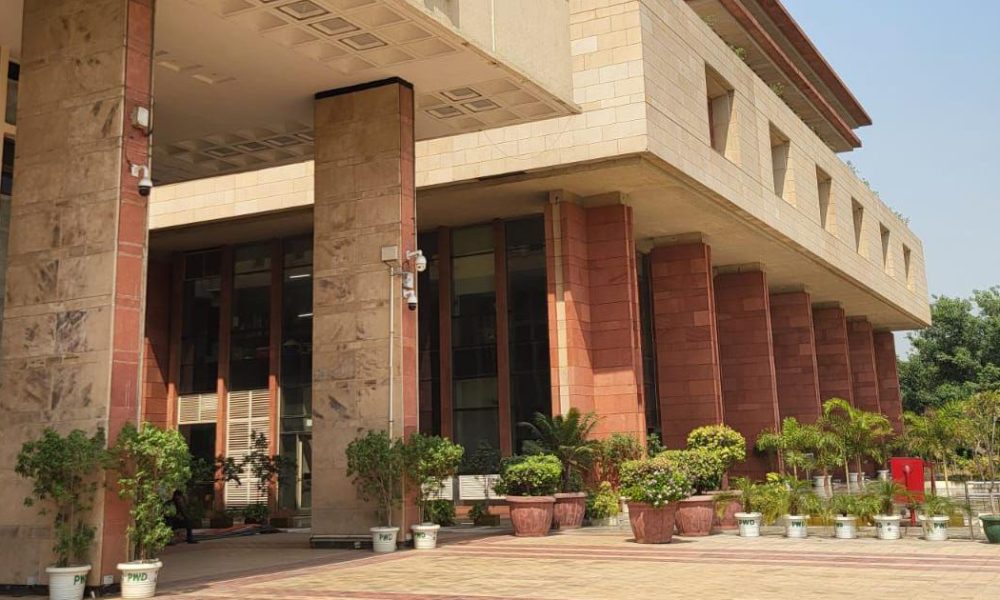
The Delhi High Court has granted bail to Mohammad Saqib, who had been incarcerated for eight years following his arrest under the Unlawful Activities Prevention Act (UAPA) in December 2018. This decision, made by Justices Navin Chawla and Ravinder Dudeja, comes amid growing concerns regarding the length of his detention without trial.
During the proceedings, the bench highlighted that only 40 out of 120 witnesses have been examined thus far, raising questions about the efficiency of the judicial process. The judges expressed their concern about Saqib’s prolonged incarceration, stating that the extensive time spent in custody warranted a reevaluation of his bail application. They concluded that Saqib had established sufficient grounds for his release.
Saqib was arrested on serious charges, including his alleged links to an Islamic State-inspired terrorist organization, Harkat-ul-Harb-e-Islam. The National Investigation Agency (NIA) accused him of facilitating meetings with militants from Jaish-e-Mohammed for the purpose of training and procuring arms to wage war against the Indian government. These allegations painted a grave picture of Saqib’s supposed involvement in terrorism.
Initially, Saqib’s bail application was denied by the Patiala House Court on May 27, 2024, prompting him to appeal to the High Court. The NIA opposed the bail on the grounds that the delays in the trial should not warrant his release. However, the High Court’s ruling highlighted a critical aspect of justice—the necessity for timely trials and fair treatment for those accused, even in cases involving national security.
This decision has broader implications for the legal treatment of individuals accused under the UAPA, a law that has faced scrutiny for being used against dissent and perceived threats to national security. As the debate surrounding the balance between national security and individual rights continues, Saqib’s case underscores the importance of judicial oversight in ensuring that accused individuals are not held indefinitely without resolution.
Source: scroll.in






No Comment! Be the first one.