

A Glimpse into State Repression During India’s Emergency: The Struggles of a College Lecturer
On June 20, 1976, the stillness of the night was pierced only by the sound of a gentle drizzle outside, while the atmosphere inside was stiflingly humid. A college lecturer, unable to find rest, lay...

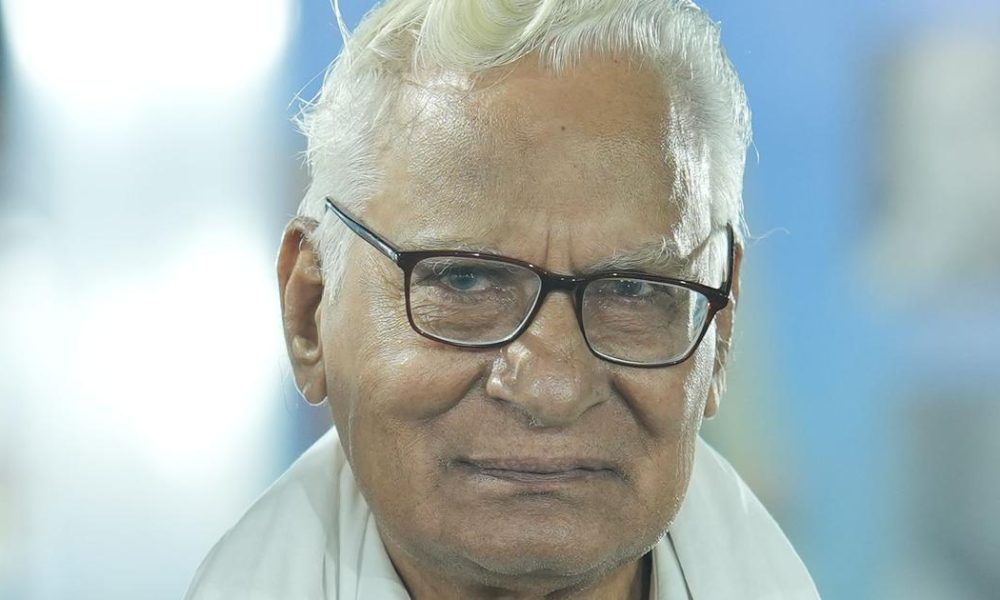
On June 20, 1976, the stillness of the night was pierced only by the sound of a gentle drizzle outside, while the atmosphere inside was stiflingly humid. A college lecturer, unable to find rest, lay tossing and turning in bed, surrounded by his sleeping family—his wife Suseela and their three children. Yet, sleep eluded him as thoughts raced back to the events that had unfolded a year earlier.
The date June 25, 1975, marked the beginning of a dark chapter in Indian democracy, known as the Emergency. It was a time when the nation felt the weight of political repression, leading to widespread unrest and fear among citizens. As the lecturer reflected on this grim period, news of upheaval reached him. He learned that fellow revolutionary writers, including his friend Venu, had been arrested the very next day in Warangal, while another associate, Rammohan, had gone into hiding to evade the police.
In the days following the arrests, a sense of dread permeated his academic environment. Colleagues approached him with grave warnings: “There is an inquiry being conducted about you. Exercise caution.” The weight of those words struck him deeply, igniting a whirlwind of anxiety. He found himself questioning, “Why would they target me? What have I done to deserve this?” His colleagues’ response was chilling yet revealing: “It’s not about what you have done; it’s about what those being arrested have done.” This statement underscored the arbitrary nature of state repression during that tumultuous time.
The lecturer soon realized that he had unwittingly become a target of state surveillance. Special branch officers began to shadow him, creating an atmosphere of paranoia that loomed over his daily life. The constant presence of inspectors and their relentless inquiries served as a reminder of the harsh realities faced by individuals who dared to express dissent or challenge the status quo. As he navigated through this turbulent phase, the fear of losing his freedom loomed large, casting a shadow over his aspirations as an educator and activist.
This personal account highlights the broader impact of the Emergency on ordinary citizens in India. For many, the era was not merely a political event, but a deeply personal struggle against an oppressive regime. The experiences of this lecturer serve as a poignant reminder of the fragility of democracy and the importance of safeguarding civil liberties in the face of state power.
Source: scroll.in

No Comment! Be the first one.