

AI Disruption: The Struggle for Reliable Information in the Digital Age
For three decades, the foundation of the Internet has relied on a mutual understanding between content creators and search engines. Websites generally allow search engines to access their content for...

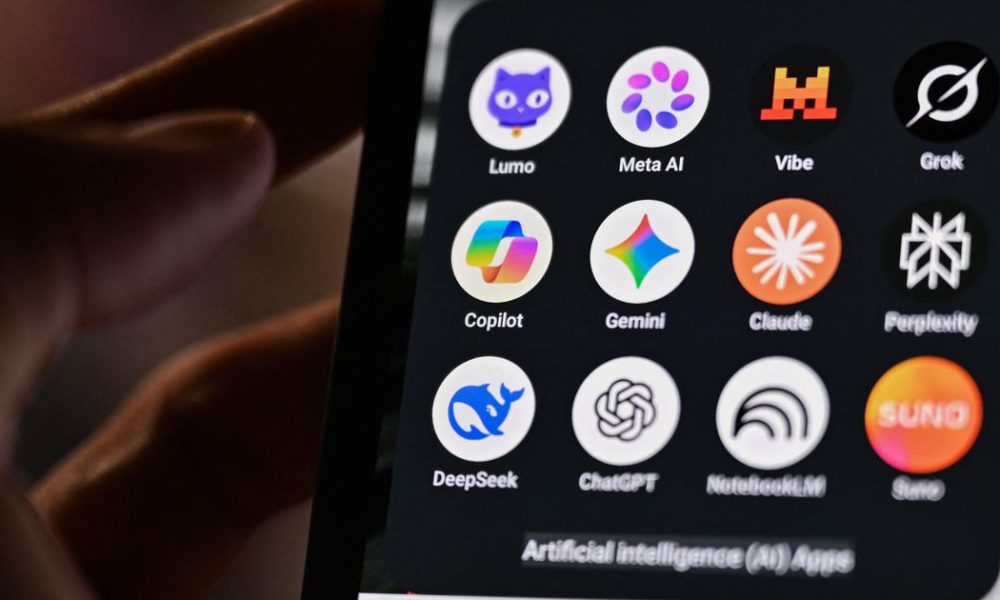
For three decades, the foundation of the Internet has relied on a mutual understanding between content creators and search engines. Websites generally allow search engines to access their content for free under a simple rule: if their material is used, proper credit must be given through links. However, this social agreement is increasingly under threat as artificial intelligence (AI) evolves.
AI technologies are now utilizing web content not merely to link but to train algorithms that generate responses to user queries. Tools like ChatGPT and Google’s AI Overviews may present information accompanied by links, but these references are becoming secondary to the generated answers, which can lack accuracy. This shift is causing significant challenges for website owners, users, and even AI developers.
As AI-driven platforms continue to scrape content from various websites, a troubling cycle has emerged. Many legitimate websites are experiencing a decline in traffic and revenue due to this practice. In response, some site owners have started to block these AI scraping tools, leading to a scarcity of high-quality information being fed into AI systems. Consequently, the reliance on lower-quality sources — often created by AI itself — is increasing, making it tougher for users to find reliable information online.
To understand this issue, we must look back at the early evolution of the web. When search engines first emerged, there was a collaborative spirit; content creators willingly allowed their content to be indexed in exchange for visibility. This mutualistic relationship benefited both parties, providing users with diverse and quality information. However, the advent of AI has disrupted this balance, prompting a reevaluation of the existing social contract.
The implications of this situation are profound, especially in a rapidly digitalizing nation like India. As reliance on AI for information grows, it raises concerns about misinformation and the overall quality of content available. Users must navigate an increasingly complex digital landscape, where sifting through low-quality responses could become the norm.
As the struggle between AI technology and the integrity of information continues, it is crucial for content creators, AI companies, and users alike to advocate for a renewed understanding that prioritizes reliable sources. Only through this collaboration can we ensure that the digital space remains a valuable resource for everyone.
Source: scroll.in






No Comment! Be the first one.