

Legal Representation Denied: A Troubling Precedent in the Ram Temple Case
On June 29, a significant development unfolded in the Faizabad Bar Association, where members reportedly decided against providing legal representation to eight individuals arrested in connection...

On June 29, a significant development unfolded in the Faizabad Bar Association, where members reportedly decided against providing legal representation to eight individuals arrested in connection with alleged embezzlement related to donations for the Ram Temple. The association’s leadership indicated that any lawyer willing to defend the accused would need to pay a hefty fine of Rs 5 lakh per individual. This decision was primarily justified on the grounds that the alleged misappropriation of funds had deeply offended the religious sentiments of the lawyers involved.
However, shortly after the news broke, the Faizabad Bar Association issued a denial, claiming that no formal resolution had been passed. They asserted that lawyers simply opted out of representing the accused as a personal choice, stemming from their status as devotees of Lord Ram who felt aggrieved by the purported theft. This contradiction raises serious constitutional questions about the right to legal representation in India.
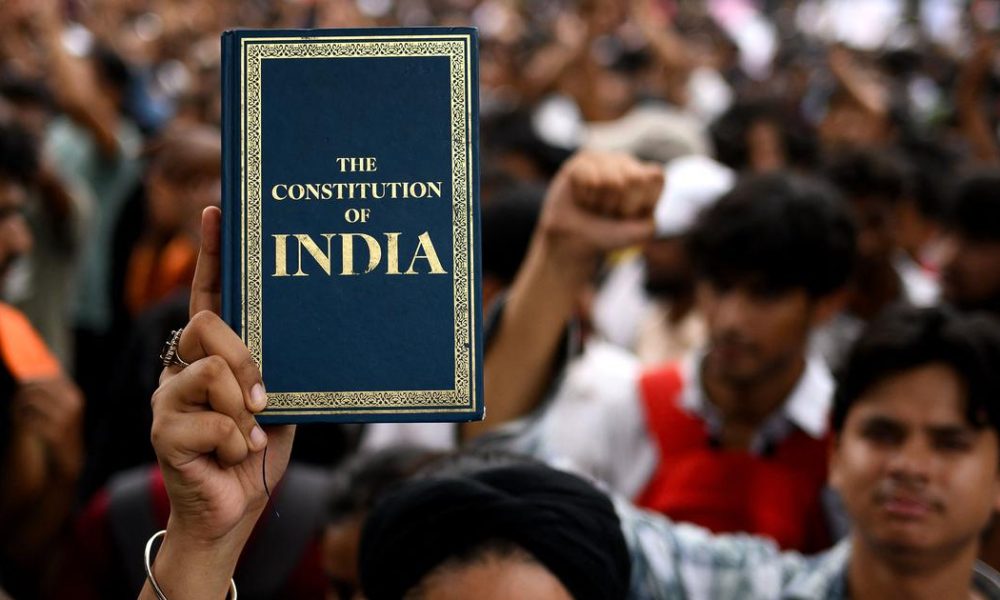
The core issue at hand is the coordinated withdrawal of legal representation based on religious sentiments, which fundamentally undermines an individual’s right to a fair trial. Even if the withdrawal is presented as a personal decision, it effectively deprives the accused of a legal defense, contravening the constitutional guarantee provided under Article 22(1) of the Indian Constitution. This article ensures that every person arrested has the right to consult and be defended by a legal practitioner of their choice. The Supreme Court’s ruling in the 2010 case of AS Mohammed Rafi v State of Tamil Nadu serves as a critical reference point, establishing that such withdrawals of legal representation are not only illegal but also a breach of professional ethics.
In a democratic society, the presumption of innocence until proven guilty is a cornerstone of justice. Yet, in Faizabad, the suspects have been treated as guilty in the court of public opinion, reflecting a dangerous trend where legal representation is influenced by collective emotional responses. This situation raises alarms about the protection of fundamental rights and the integrity of the legal profession.
The implications of this incident extend beyond the individual cases at hand. It serves as a reminder of the challenges faced by the legal system in upholding the rights of all citizens, regardless of public sentiment. The legal community must remain vigilant to ensure that personal beliefs do not cloud the fundamental duty of providing adequate legal representation, which is essential for a fair and just legal process.
Source: scroll.in




No Comment! Be the first one.