

Lessons from the Cuban Missile Crisis: A Cautionary Tale for India and Pakistan
The Cuban missile crisis of 1962 serves as a stark reminder of the potential consequences of miscommunication and misinterpretation in times of heightened military tension. During this critical...

The Cuban missile crisis of 1962 serves as a stark reminder of the potential consequences of miscommunication and misinterpretation in times of heightened military tension. During this critical standoff, American warships dropped small explosive charges near a Soviet submarine, the B-59, stationed off the coast of Cuba. This action aimed to compel the submarine to surface, unaware that it was armed with a nuclear torpedo. The officers aboard the submarine, isolated from reliable communication, faced the daunting task of deciphering whether a war had commenced. Captain Valentin Savitsky was on the brink of deploying the torpedo, but a decisive intervention by his colleague, Vasili Arkhipov, averted a catastrophic escalation.
This historical episode underscores how misperceptions and incomplete information can lead to dire consequences, a lesson that resonates with contemporary conflicts. The intensity of decision-making under extreme pressure can skew perceptions and lead to actions that neither side intends. The world came perilously close to a nuclear confrontation due to a series of misunderstandings, highlighting how nuclear escalation could occur without either party’s desire for it.
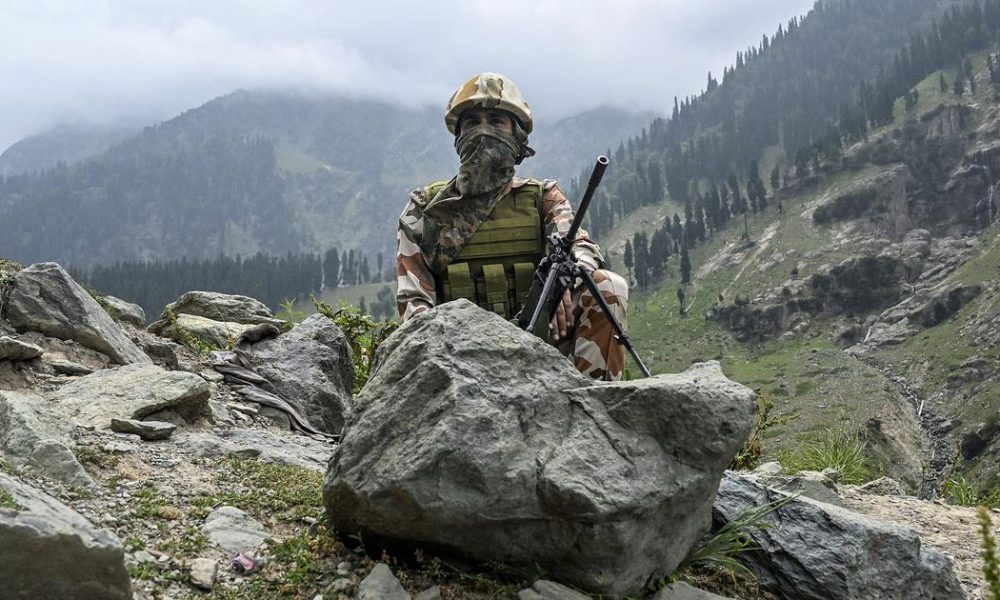
Fast forward to May 2025, a brief but intense military conflict between India and Pakistan starkly illustrated these dangers. In a span of just 88 hours, the two nations found themselves embroiled in hostilities that could have had far-reaching consequences. This recent conflict echoed the Cuban scenario, where limited military operations might be perceived differently by the opposing side, resulting in an alarming escalation of tensions.
The volatile nature of the Indo-Pakistani relationship, marked by historical grievances and ongoing territorial disputes, could easily lead to miscalculations. As seen in the Cuban crisis, decisions made in the heat of the moment could spiral out of control, leading to unintended consequences that neither side desires. Both nations must reflect on the lessons from that critical period in history and acknowledge the importance of clear communication and transparency.
In today’s complex geopolitical landscape, the stakes are higher than ever. With nuclear capabilities in play, the need for dialogue and understanding between India and Pakistan is paramount. As both nations navigate their paths forward, the echoes of the past should serve as a cautionary tale, reminding leaders to prioritize diplomatic channels to prevent misunderstandings that could escalate into a full-blown crisis.
Source: scroll.in







No Comment! Be the first one.