
Exploring Paths to Peace: A Memoir from the Heart of the Palestinian-Israeli Conflict
In the wake of the devastating Hamas attacks on October 7, 2023, the world has been engulfed in pervasive violence, primarily manifesting in Gaza and the West Bank. This tumultuous backdrop has given...

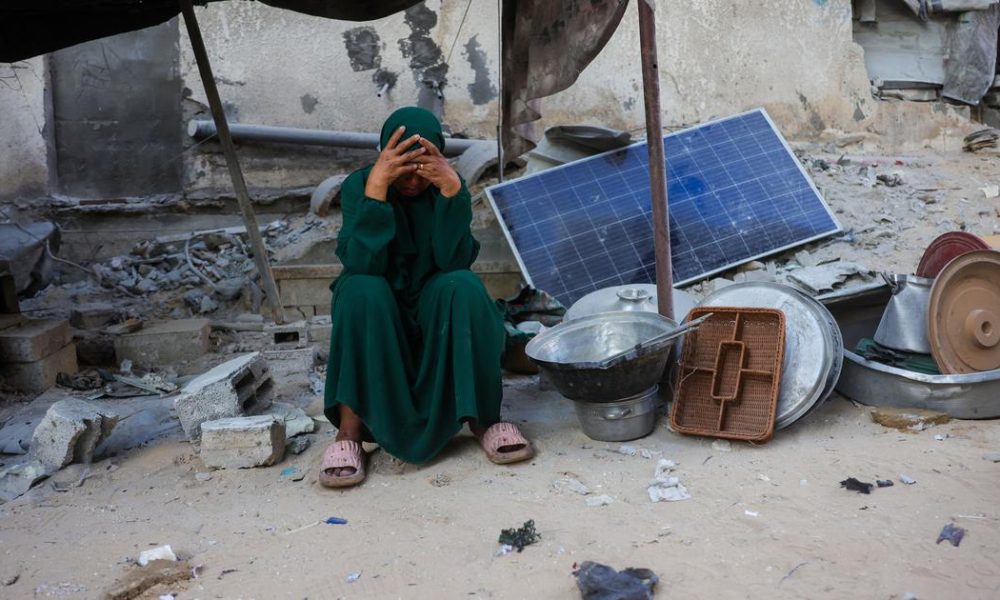
In the wake of the devastating Hamas attacks on October 7, 2023, the world has been engulfed in pervasive violence, primarily manifesting in Gaza and the West Bank. This tumultuous backdrop has given rise to a multitude of narratives, each shaped by individual experiences of history, victimhood, and trauma. The prevailing discourse often falls under what can be termed ‘conflict media’, a term that encapsulates news reports, social media shares, and various publications that perpetuate the very divisions they seek to report on.
The saturation of conflict media complicates the narrative, as it often transforms the media itself into a tool for prolonging the conflict rather than fostering understanding. As a scholar focused on Middle Eastern issues, I have observed a distinct lack of what I refer to as ‘resolution media’ — works that promote healing and mutual understanding rather than division. Engaging with resolution media becomes essential in the aftermath of conflict, as it presents a shared grief that binds rather than separates.
Historically, resolution media has emerged prominently after conflicts have subsided, shining a light on the universal suffering caused by war. A poignant example of this is Wilfred Owen’s iconic poem, ‘Dulce et Decorum Est’, which challenges the glorification of war, highlighting the grim realities faced by soldiers. Similarly, the Israeli-Palestinian conflict has birthed its own forms of resolution media, aiming to bridge the gap between two historically opposing narratives.
In 2002, amidst the turmoil of the Second Intifada, educators Sami Adwan and Dan Bar-On pioneered a significant initiative by releasing educational booklets that presented the histories of Palestinians and Israelis side by side. This innovative approach not only acknowledged the complexities of both narratives but also left space for dialogue, allowing readers to engage with multiple perspectives. Such works are crucial in fostering understanding and challenging the entrenched narratives that dominate the media landscape.
In these trying times, the need for stories that promote peace and reconciliation has never been more urgent. As the conflict continues to unfold, it is vital for individuals and communities to seek out narratives that highlight shared humanity and compassion. By embracing resolution media, we can begin to envision a future where peace prevails over violence, and where the voices of those longing for harmony can resonate louder than the echoes of conflict.
Source: scroll.in







No Comment! Be the first one.