

New Book Reveals Disturbing Eyewitness Accounts of Partition Carnage
A thought-provoking new book has emerged, recounting harrowing true stories based on eyewitness testimonies from one of the most turbulent periods in Indian history—the Partition. Set against the...

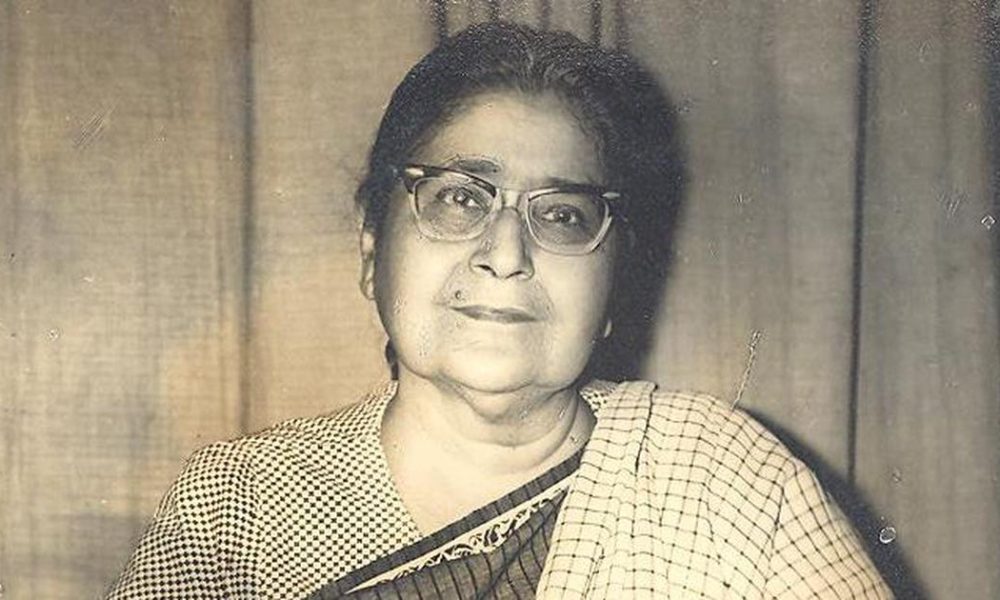
A thought-provoking new book has emerged, recounting harrowing true stories based on eyewitness testimonies from one of the most turbulent periods in Indian history—the Partition. Set against the backdrop of the 1947 division of British India into India and Pakistan, this collection sheds light on the personal tragedies and experiences of those who lived through the chaos and violence of that time.
The Partition, a moment that marked the creation of two nation-states, was fraught with bloodshed, displacement, and deep-seated communal strife. Through a series of vivid narratives, the book captures the emotional turmoil faced by countless families forced to flee their homes amidst the chaos. It delves into the lives of ordinary people—men, women, and children—whose stories of loss and resilience offer a haunting reflection of the human cost of political decisions.
One poignant narrative describes a family’s last-minute preparations for a journey to Shimla amid rising tensions in Punjab. The dialogue portrays a sense of urgency and despair, as the protagonist grapples with familial obligations while contemplating the dangers of traveling during such uncertain times. The emotional exchanges highlight the conflicts within families as they navigate fear, hope, and the pressing need for safety.
Moreover, the book emphasizes the complexity of human relationships during times of crisis. It illustrates how the fear of violence can strain bonds, leading to misunderstandings and reluctance to support one another. This intimate portrayal serves to humanize the historical events, allowing readers to connect on a personal level with the experiences of those who lived through the turmoil.
As India remembers the Partition and its lasting impacts, works like this book are essential for fostering understanding and dialogue about the past. They not only contribute to the narrative of our shared history but also serve as a reminder of the resilience of the human spirit in the face of adversity. By bringing these stories to light, the book plays a crucial role in preserving the memories of those who suffered and ensuring that their experiences are not forgotten.
Source: scroll.in







No Comment! Be the first one.