

China Rejects India’s Naming of Locations in Ladakh, Calls It ‘Illegal’
In a significant diplomatic spat, China has termed India’s recent decision to officially name 28 locations and geographical features in Ladakh as “illegal and invalid.” This...

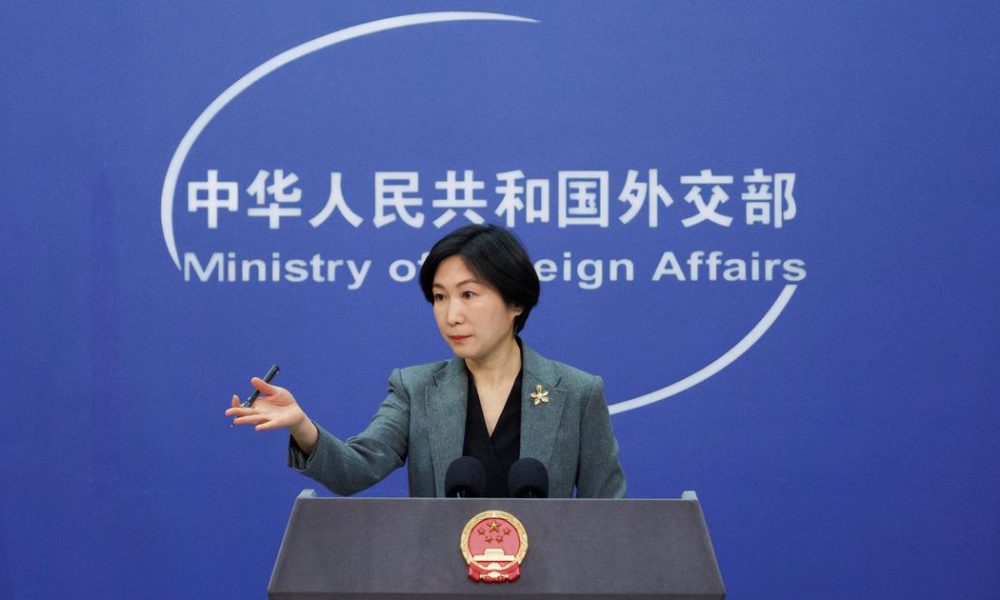
In a significant diplomatic spat, China has termed India’s recent decision to officially name 28 locations and geographical features in Ladakh as “illegal and invalid.” This assertion was made by a spokesperson from the Chinese Foreign Ministry, Mao Ning, in a report by the Global Times on Tuesday.
Mao emphasized that China does not recognize the Union Territory of Ladakh, which India established following the revocation of Article 370 in August 2019. He stated, “China has never recognized the so-called Union Territory of Ladakh unilaterally and illegally established by India,” reinforcing Beijing’s long-standing position on territorial claims in the region.
In response, India’s Ministry of External Affairs reaffirmed the country’s stance, declaring that Ladakh is an “integral and inalienable part of India.” The ministry added that no amount of denial from the Chinese government would alter this fact, emphasizing India’s commitment to its territorial integrity.
On October 2, India announced the identification of 28 places, including significant locations such as Aksai Chin, Gogra, and Hot Spring, which has been the site of previous military confrontations. Notably, the Hot Spring area was the scene of a violent clash in June 2020, resulting in the deaths of 20 Indian soldiers, while China reported four of its troops were killed. This history of conflict adds further tension to the already strained relations between the two nuclear-armed neighbors.
Mao’s remarks on Tuesday highlighted that India’s actions “cannot change the fact that the relevant areas in the western sector of the China-India boundary have always belonged to China.” This statement underscores the ongoing territorial disputes and the complexities involved in the relationship between India and China, which have engaged in various rounds of talks to resolve border tensions, albeit with limited success.
While the Indian government maintains that the naming of these places is a step towards asserting its sovereignty, the opposing view from Beijing represents a broader narrative of nationalism and territorial claims that are deeply rooted in both countries’ histories. As both nations continue to navigate their relationship in the wake of these developments, the situation remains fluid, warranting close monitoring.
Source: scroll.in







No Comment! Be the first one.