

Delhi Police’s Preventive Detentions Raise Legal Questions Ahead of Protest
In a significant escalation of police action, the Delhi Police detained approximately 1,000 individuals in ‘preventive operations’ prior to a scheduled protest at Jantar Mantar. The...

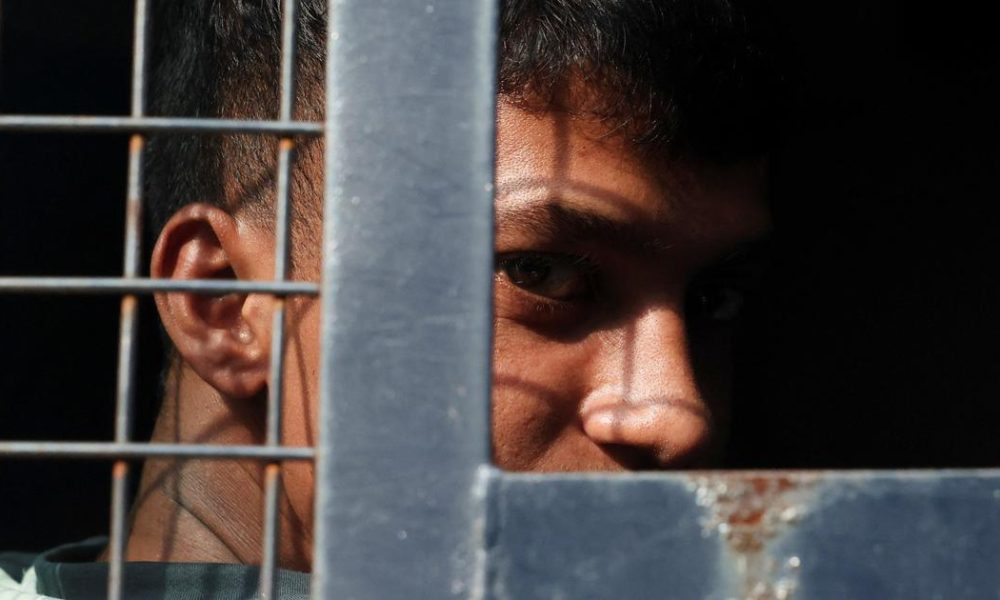
In a significant escalation of police action, the Delhi Police detained approximately 1,000 individuals in ‘preventive operations’ prior to a scheduled protest at Jantar Mantar. The protest, organized by the Cockroach Janta Party and Left student factions, aimed to demand the resignation of Chief Election Commissioner Gyanesh Kumar.
One of those detained was Abhishek, a 40-year-old trade unionist residing in Burari, situated on the northern edges of Delhi. In the early hours of Saturday, police officers contacted him, urging him to step outside for a discussion. Abhishek, who also operates a local office for the All India Central Council of Trade Unions, affiliated with the Communist Party of India (Marxist-Leninist) Liberation, sought to delay their visit until the following morning. However, at 7 AM, he was confronted by five officers at his door, who proceeded to arrest him without providing any legal justification or documentation.
During his twelve-hour detention, Abhishek reported that the officers continuously inquired about the number of participants expected at the protest and requested information regarding other activists from various unions, suggesting that they had a predetermined list of targeted individuals. His experience was echoed by many others who faced similar treatment as police intensified their surveillance and preventive measures in anticipation of the protest.
Sources indicate that this was part of a broader strategy by the Delhi Police to preemptively curb dissent and maintain order in the capital. Critics argue that such actions infringe upon democratic rights and freedoms, raising concerns about the legality of detaining individuals without proper cause or due process. Legal experts suggest that while preventive detentions can be justified in certain circumstances, the absence of clear communication or legal grounds in these cases may constitute a violation of civil liberties.
As the political climate in India continues to evolve, the implications of these detentions may provoke further debate regarding the balance between maintaining public order and upholding individual rights. Observers note that such incidents reflect an ongoing tension between state authority and civil society, particularly in contexts where protests are increasingly common. This event, along with the growing trend of police preemptively detaining individuals associated with protests, could have lasting ramifications for the landscape of dissent in India.
Source: scroll.in







No Comment! Be the first one.