

Analyzing India’s Parliamentary Dialogue on Climate Change: Progress and Gaps
As India battles the intensifying effects of climate change, notably exacerbated by the current El Niño phenomenon, the country’s Parliament has increasingly become a platform for discussing...

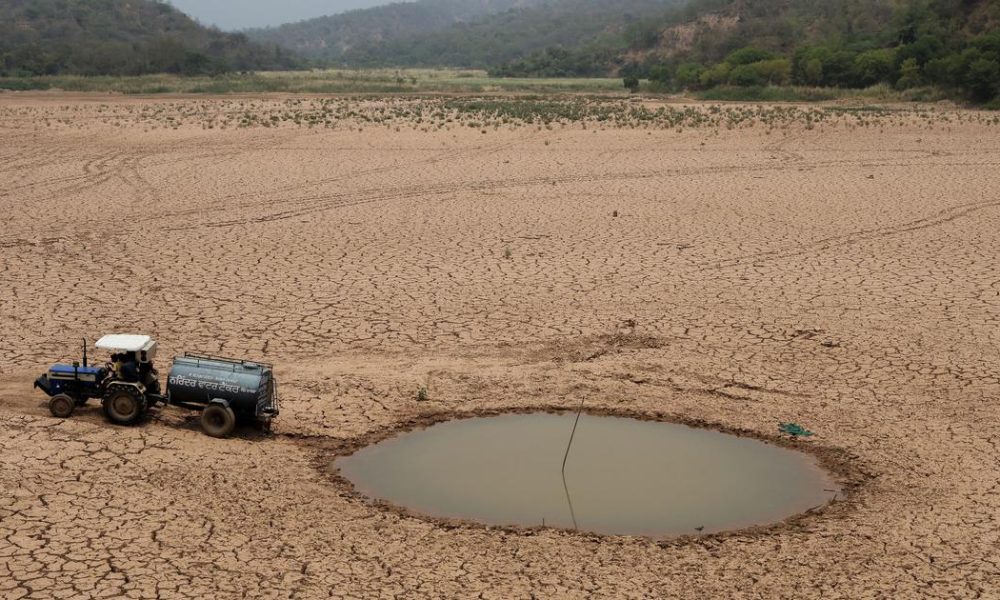
As India battles the intensifying effects of climate change, notably exacerbated by the current El Niño phenomenon, the country’s Parliament has increasingly become a platform for discussing this pressing issue. This year, India has faced significant challenges, including a notable shortfall in rainfall, which has raised alarm bells regarding the implications of global warming. Over the past decade, the consequences of climate change have manifested in severe natural disasters, including landslides and glacial melt, prompting a closer examination of parliamentary discourse on the matter.
A recent report titled “Climate on the Floor: India’s Parliamentary Discourse on Environment since the Paris Agreement,” released by the Centre for Financial Accountability, sheds light on the climate-related questions that have emerged in Parliament over the last ten years. The study reviews discussions from both Lok Sabha and Rajya Sabha, focusing on the period from December 2015, coinciding with India’s commitment to the Paris Agreement, through December 2025. This historic agreement aimed to curtail carbon emissions across participating nations, a commitment that India’s Parliament has frequently referenced.
While the findings reveal that Parliament has maintained a consistent interest in climate change, the emphasis has predominantly been on ambitious targets and forward-looking goals, particularly in sectors like energy and forestry. However, the report highlights a significant oversight: the financial and institutional aspects of climate action have not received the same level of scrutiny. This gap raises crucial questions about the feasibility of achieving the ambitious climate targets set by the government without a robust financial framework and institutional backing to support these initiatives.
Moreover, the analysis of parliamentary debates indicates that while the rhetoric surrounding climate change has evolved, there remains a need for a more comprehensive approach that addresses both the environmental and economic implications of climate policies. As India continues to navigate the complexities of climate change, it is imperative for lawmakers to expand their focus beyond mere targets to include sustainability and resilience strategies that encompass all dimensions of climate action.
In summary, the discourse in Parliament reflects a growing acknowledgment of climate change as a critical issue, yet it falls short in addressing the underlying financial and institutional mechanisms necessary to support meaningful action. As the impacts of climate change intensify, the time is ripe for a more integrated approach that not only sets ambitious goals but also lays a solid groundwork for achieving them.
Source: scroll.in







No Comment! Be the first one.