

Netanyahu and Modi: Turning Security Breaches into Political Capital
A recent incident involving Flydubai Flight FZ1073, which traveled from Dubai to Tel Aviv, has raised serious questions about aviation security protocols and political accountability. The flight,...

A recent incident involving Flydubai Flight FZ1073, which traveled from Dubai to Tel Aviv, has raised serious questions about aviation security protocols and political accountability. The flight, which almost turned tragic, saw passengers and a wounded captain narrowly avert disaster when an attempted attack unfolded in the cockpit. Upon their return to Israel, Prime Minister Benjamin Netanyahu welcomed the passengers, seizing the moment for a public display of solidarity. However, this event has sparked a broader dialogue concerning the failures in security measures that allowed such a situation to arise.
On September 30, the flight experienced a near-catastrophe when the Omani co-pilot, Hamam al-Hammami, allegedly assaulted the Indian captain, Smit Machchhar, with a crash axe. Despite sustaining injuries, Captain Machchhar managed to open the cockpit door, which enabled passengers to intervene and subdue the assailant. The plane ultimately made a safe landing in Tabuk, Saudi Arabia, but this incident raised more questions than answers, particularly regarding the adequacy of existing security protocols.
The issue extends beyond the cockpit and raises significant concerns over the vetting processes for airline personnel in the region. Reports indicate that the United Arab Emirates provided Israel with detailed passenger and crew information prior to the flight’s departure. This has led to inquiries into the co-pilot’s background; it has come to light that he had previously been grounded by Oman Air for reportedly visiting extremist websites. Such lapses in background checks raise alarm bells about the effectiveness of security measures in place within the aviation sector.
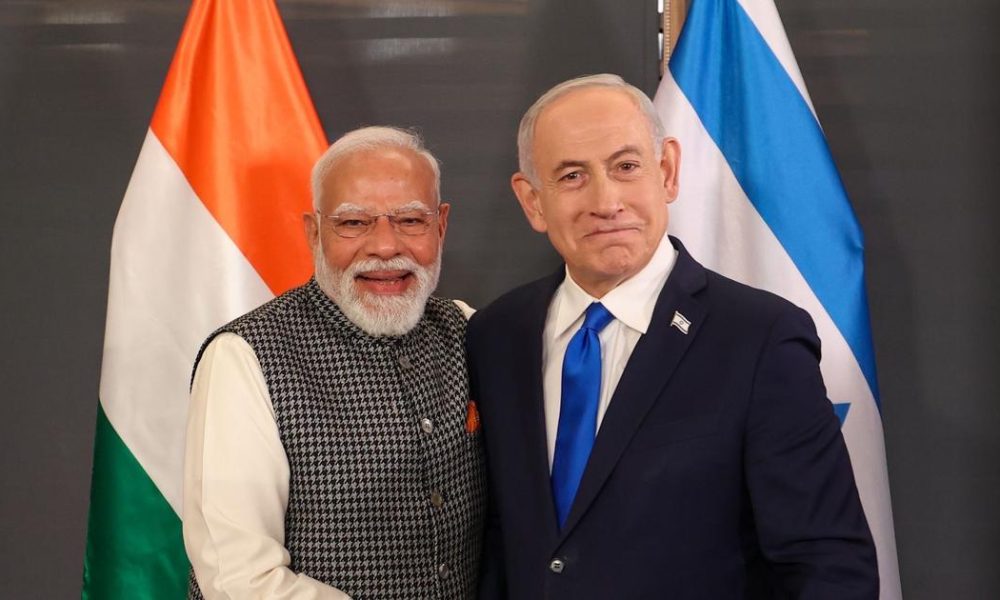
In a context where both Netanyahu and Indian Prime Minister Narendra Modi have often utilized security incidents to bolster their political narratives, the ramifications of this flight’s near-disaster may provide another opportunity for political discourse. Both leaders have been known to capitalize on security events to reinforce their respective governments’ stances on national safety and counter-terrorism. However, the gravity of this incident requires more than just a political photo-op; it demands a comprehensive review of aviation security and personnel vetting procedures.
As the investigation unfolds, the necessity for transparency and accountability in how security lapses occur cannot be overstated. For the passengers aboard Flight FZ1073, their lives were saved not by a well-functioning security apparatus, but by the bravery of individuals in a moment of crisis. In the post-incident landscape, it is crucial for both Israeli and Indian authorities to reassess their security frameworks to ensure that future incidents do not rely on the heroism of individuals but rather on robust and effective safety measures.
Source: scroll.in







No Comment! Be the first one.