

Rural Women in India Navigate Complexities of Sterilization Choices Amid Technology and State Power
In the ongoing discourse surrounding reproductive health in India, a new book delves into the nuanced experiences of rural women undergoing sterilization, particularly focusing on their ambivalence...

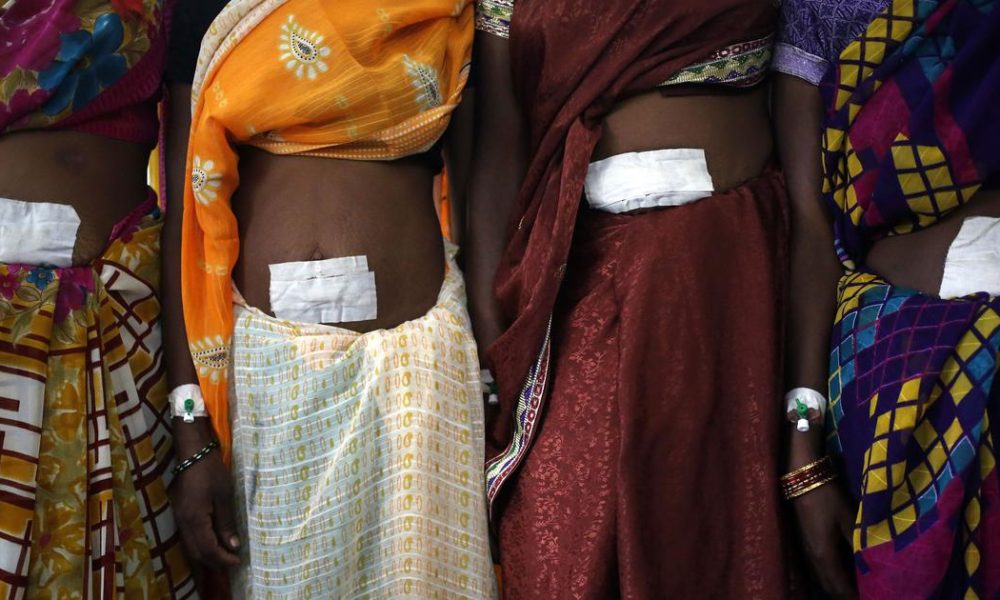
In the ongoing discourse surrounding reproductive health in India, a new book delves into the nuanced experiences of rural women undergoing sterilization, particularly focusing on their ambivalence towards laparoscopic surgery. While mainstream medical narratives often highlight the efficiency and convenience of laparoscopic procedures, many women in rural Rajasthan present a more complex picture of how these technologies intersect with their daily realities and choices.
The book explores how discussions among Rajasthani women about laparoscopic sterilization reveal their intricate relationships with population control policies, technological fascination, and the influence wielded by state and medical institutions. These conversations often extend beyond the technicalities of the procedure itself, encompassing broader themes of autonomy, choice, and the societal implications of sterilization.
Women frequently categorize their surgical experiences by distinguishing between open surgeries and laparoscopic tubectomies. They refer to open surgery using terms like bara (big) operation, tankewala (with stitches) operation, or hathwala (done by hand) operation. In contrast, laparoscopic procedures are identified as karantwala (electric) or durbinwala (telescopic) operations. This classification underscores their awareness of the various surgical options and reflects a deeper understanding of the choices available to them, despite the significant pressure from population control initiatives.
The narrative surrounding sterilization in India is further complicated by the ongoing concerns about the quality of care provided in sterilization camps, where numerous reports of adverse outcomes, including fatalities, have emerged. Critics of the population control programs often characterize these initiatives as systematic violence against women, highlighting the urgent need for a reevaluation of the ethical and medical frameworks surrounding reproductive health.
As rural women navigate their reproductive choices, they exhibit a blend of agency and apprehension towards the advances in medical technology. The interplay between their lived experiences and the dominant biomedical discourse raises critical questions about informed consent and the true nature of ‘choice’ in the context of reproductive health. This discourse, as illuminated by the book, not only sheds light on the stigmas surrounding sterilization but also invites policymakers to reconsider how reproductive health services are structured and delivered to ensure that they truly serve the interests of women.
Source: scroll.in






No Comment! Be the first one.