

Heckling of ‘Godi Media’ Journalists Highlights Tensions in Indian Protests
In recent events surrounding the protests organized by the Cockroach Janta Party and student groups against alleged vote rigging, the Indian government’s aggressive response has raised concerns about...

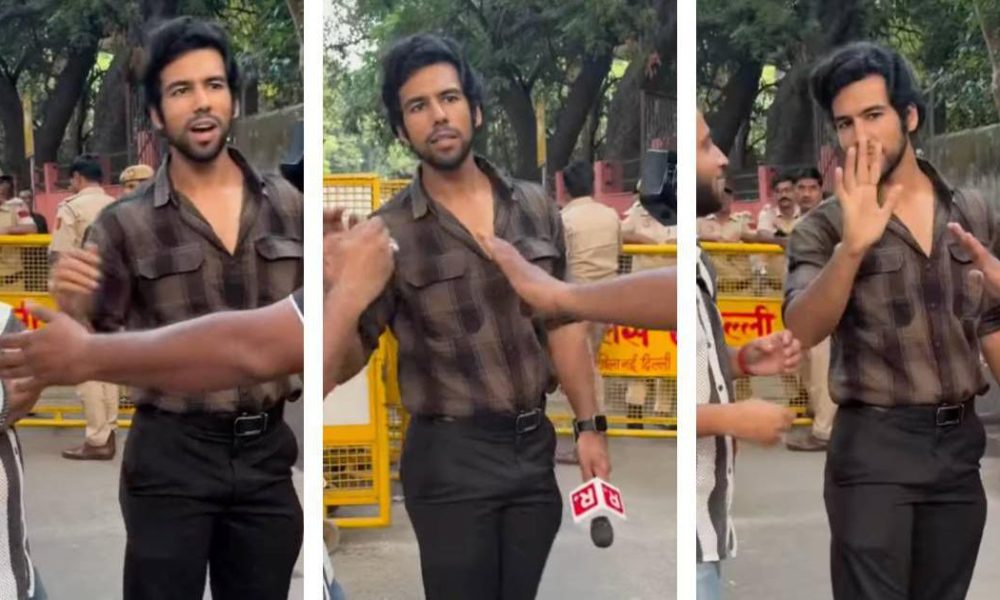
In recent events surrounding the protests organized by the Cockroach Janta Party and student groups against alleged vote rigging, the Indian government’s aggressive response has raised concerns about press freedom. As demonstrators gathered to voice their dissent, the authorities not only detained numerous protesters but also targeted journalists covering the unfolding situation. Reports suggest that several reporters faced physical assaults from the police, sparking outrage and calls for accountability.
Interestingly, this crackdown seemed to selectively target dissenting voices, as pro-government media representatives, often referred to as ‘godi media,’ were notably spared from such measures. This distinction has prompted questions regarding the motivations behind the government’s heavy-handed tactics. Observers have noted that the absence of any action against these pro-government outlets hints at a deliberate attempt to suppress critical reporting while fostering an environment conducive to pro-establishment narratives.
The heckling of ‘godi media’ journalists by protesters is not a novel occurrence; it has surfaced during various demonstrations over the past few months. For instance, during protests against the education minister’s policies in July, media personnel aligned with the government faced similar hostility. The dissatisfaction among the public reflects a broader discontent with how some media outlets are perceived to be propagating government propaganda rather than engaging in balanced journalism.
In an attempt to shield themselves from the backlash, several journalists from pro-government channels have resorted to reporting from protest sites without any identifiable logos or markers. This move highlights the precarious position many journalists find themselves in as they navigate the increasingly polarized landscape of Indian politics. As tensions between the government, media, and the public continue to rise, the future of journalistic integrity hangs in the balance.
The implications of these events extend beyond mere protests. They signal a growing rift in Indian society, where the narrative surrounding dissent and media coverage is becoming increasingly contentious. As the nation grapples with questions of democracy and accountability, the evolving relationship between the state and the press remains a critical aspect of the discourse. The dialogue surrounding press freedoms and the role of media in a democratic society is more pertinent now than ever, urging citizens to reflect on the importance of a free and fair press.
Source: scroll.in





No Comment! Be the first one.