

Supreme Court Requests Election Commission’s Input on CEC Gyanesh Kumar’s Suspension Plea
On Monday, the Supreme Court of India refrained from issuing an interim order regarding the petitions calling for the suspension of Chief Election Commissioner Gyanesh Kumar. These petitions allege...

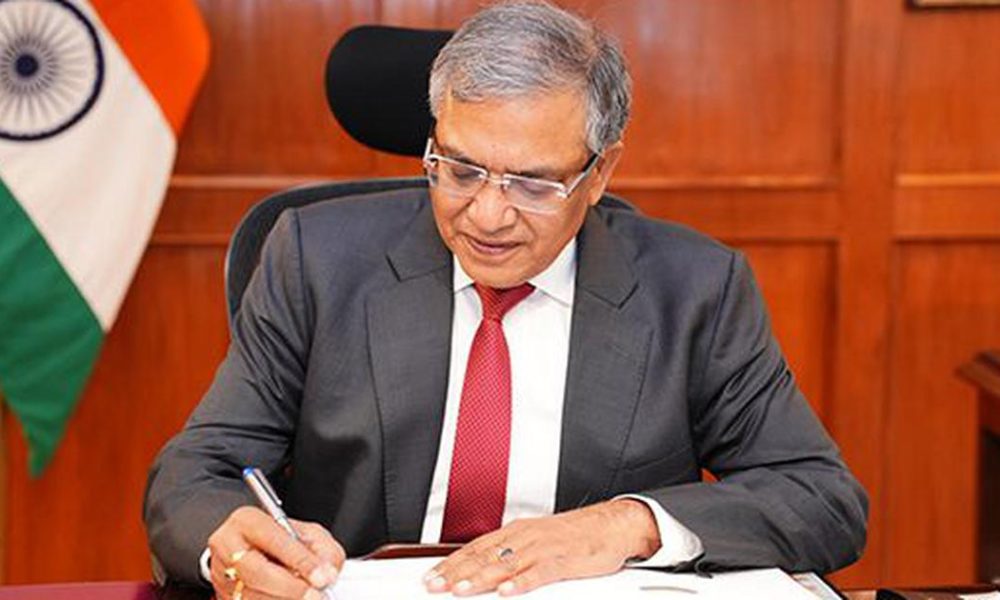
On Monday, the Supreme Court of India refrained from issuing an interim order regarding the petitions calling for the suspension of Chief Election Commissioner Gyanesh Kumar. These petitions allege that Kumar has made unilateral decisions concerning the special intensive revision of electoral rolls. The Court has opted to first seek responses from the Election Commission and other involved parties before taking any further action.
The bench, consisting of Chief Justice Surya Kant and Justices Joymalya Bagchi and V Mohana, has sent notices not only to Gyanesh Kumar but also to the Election Commission itself, the Union government, and fellow Election Commissioners Sukhbir Singh Sandhu and Vivek Joshi, along with Deputy Election Commissioner Maneesh Garg.
This legal maneuver comes in light of objections voiced by Sandhu and Joshi regarding several decisions made by the Election Commission. Reports suggest that the two commissioners have formally objected on 14 occasions over the past ten months to actions taken by the poll panel that they claim were executed without their knowledge. Their concerns primarily revolve around changes to Form 6, which is essential for registering new voters, appeals related to voter inclusion in West Bengal, and the management of voter data in Goa.
Notably, one of the written objections by Sukhbir Singh Sandhu highlighted that the Election Commission had disregarded the advice of both commissioners, labeling the actions as “unauthorized and illegal.” This statement underscores the deepening concerns within the Election Commission regarding transparency and collective decision-making.
The matter raises significant questions about the internal dynamics of the Election Commission of India, particularly about how decisions are made, and the extent of autonomy exercised by the Chief Election Commissioner. As the Supreme Court awaits responses, the implications of this case could have far-reaching effects on the credibility and functionality of the electoral process in India.
Source: scroll.in






No Comment! Be the first one.