

The Complex Legacy of Sitaram Keshav Bole: From Dalit Advocate to Hindu Nationalist
On August 4, 1924, Sitaram Keshav Bole made a significant move in the Bombay Legislative Council, introducing a resolution aimed at granting untouchables access to essential public facilities,...

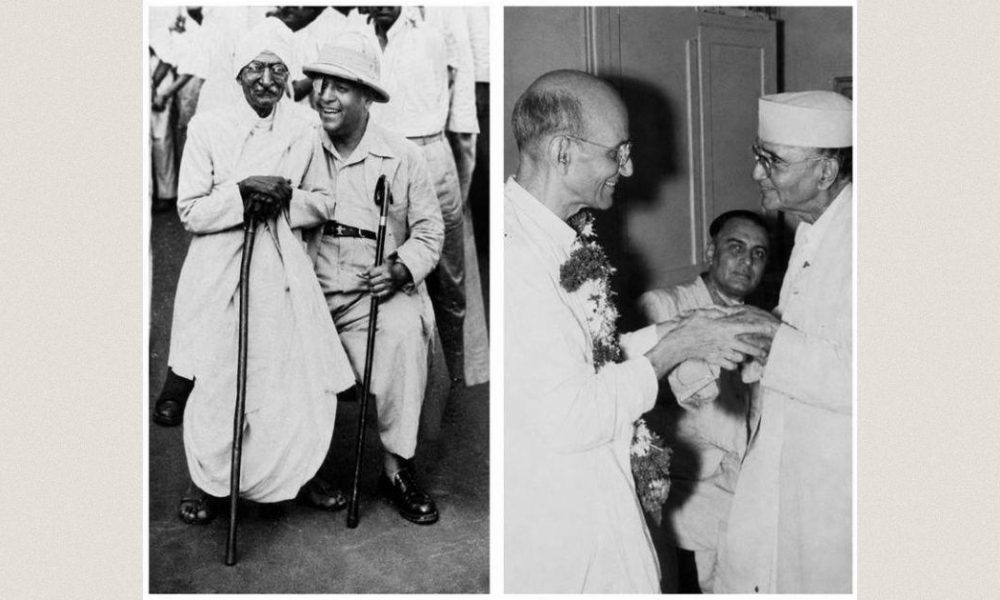
On August 4, 1924, Sitaram Keshav Bole made a significant move in the Bombay Legislative Council, introducing a resolution aimed at granting untouchables access to essential public facilities, including water bodies, educational institutions, and hospitals. This pioneering effort laid the groundwork for future activism against caste discrimination in India. Just three years later, Dr. B.R. Ambedkar, who had been mentored by Bole since 1907, invoked this very resolution when he led thousands of untouchables to Mahad to assert their right to drink from a public water tank previously barred to them. This event, known as the Mahad Satyagraha, marked a pivotal moment in the anti-caste movement, showcasing the struggle for dignity and rights among marginalized communities.
Bole’s early dedication to social justice and upliftment of underprivileged castes starkly contrasts with his later political affiliations. In 1938, he took on the presidency of the Bombay Provincial Hindu Mahasabha, a prominent Hindu nationalist organization. This shift raises questions about Bole’s ideological journey, as he had previously championed the rights of marginalized groups yet aligned himself with a group that had historically prioritized Brahmin interests and positioned itself against perceived threats from other religions.
Founded in Maharashtra in 1923, the Hindu Mahasabha was largely dominated by Brahmins, focusing its political agenda on religious identity rather than the pressing issues of caste reform or the abolition of untouchability. Under its banner, topics that were crucial for the upliftment of farmers and laborers were often sidelined. Instead, the organization concentrated on protecting Hindu identity and addressing challenges posed by Islam and other faiths. This prioritization starkly contrasts with Bole’s earlier work and the core tenets of the social reform movement he once championed.
The complexity of Bole’s legacy prompts a reevaluation of his contributions to both the Dalit rights movement and Hindu nationalism. While his early efforts played a critical role in advancing the rights of untouchables, his later alignment with the Hindu Mahasabha raises important questions about compromise and the broader implications of his political choices. This contradiction reflects the challenges faced by social reformers navigating the socio-political landscape of early 20th-century India.
In contemporary discussions about caste, identity, and politics in India, Bole’s life story serves as a reminder of the multifaceted nature of social reform and the often complicated paths taken by individuals in pursuit of justice. Understanding this duality in Bole’s legacy can provide valuable insights into the ongoing struggles against caste and inequality in modern India.
Source: scroll.in






No Comment! Be the first one.