

Revisiting the Past: How Du Bois and Gandhi Shaped Cultural Understandings Between Indians and African Americans
In 1936, the prominent African American scholar and civil rights advocate W.E.B. Du Bois contributed to a Mumbai-based publication called The Aryan Path. This magazine, known for its Theosophical...

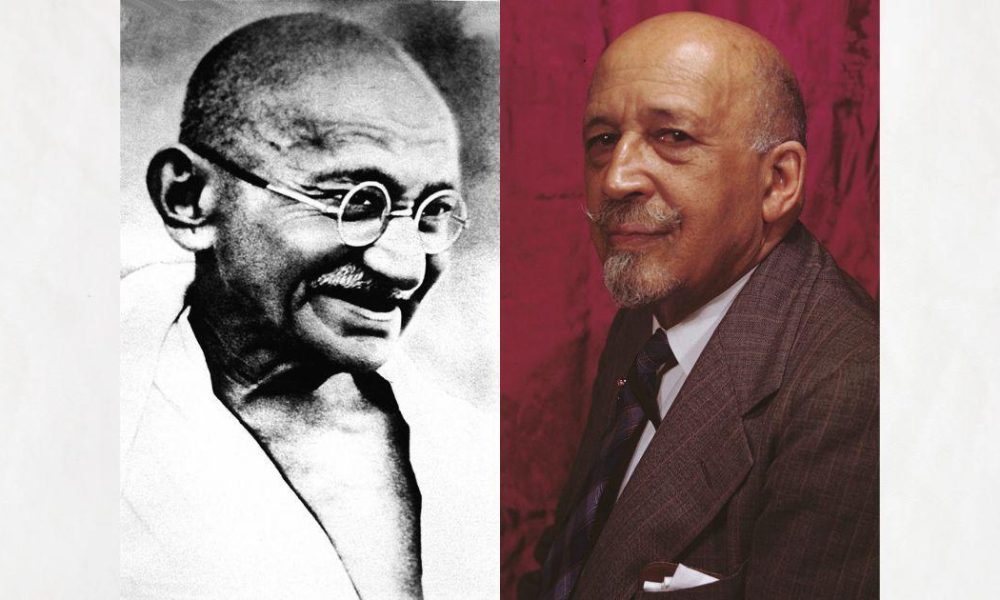
In 1936, the prominent African American scholar and civil rights advocate W.E.B. Du Bois contributed to a Mumbai-based publication called The Aryan Path. This magazine, known for its Theosophical stance, also featured discussions on contemporary politics and philosophy, under the editorial guidance of B.P. Wadia, a noted Theosophist and trade unionist. Initially tasked with writing about the unique aspects of African American culture, Du Bois instead chose to explore the interconnectedness between Indians and African Americans, aptly titling his piece “The Clash of Colour.”
Nearly a century after the publication of Du Bois’s article, the relevance of his insights remains strikingly pertinent. He highlighted a significant barrier in fostering relationships between these two groups: a profound ignorance of each other’s histories and cultures. Du Bois pointed out that American education systems had largely ignored Indian history, while educated Indians often fell prey to Western narratives about African Americans, unearthing a gap that hindered mutual understanding.
Du Bois passionately argued for the necessity of engagement between Indians and African Americans, recognizing that such interactions could bridge the yawning chasm of misunderstanding. He referenced Howard Thurman, a notable theologian and philosopher, who was making his way to India during that time to promote dialogue and cultural exchange. The notion was clear: mutual recognition and dialogue could challenge the stereotypes and prejudices perpetuated by historical narratives.
Moreover, Du Bois’s focus on shared experiences of marginalization and the fight against injustice resonated deeply with the Indian independence struggle led by figures like Mahatma Gandhi. Both leaders envisioned a world where oppressed communities could find common ground to advocate for their rights and work toward a more equitable society. The cultural and political landscapes of both nations were intertwined through their commitments to social justice, and Du Bois’s reflections served to challenge Indians not to see themselves as merely ‘Aryans’ but rather as participants in a global struggle against oppression.
As India continues to evolve in the 21st century, revisiting these historical perspectives may provide valuable lessons for current and future generations. Understanding the intertwined histories of African Americans and Indians could foster greater solidarity in the face of contemporary issues such as racism and inequality. These discussions not only promote cultural awareness but also serve as a reminder of the shared human experience that transcends geographical boundaries.
Source: scroll.in







No Comment! Be the first one.