

Majoie Hajary: The Forgotten Surinamese Composer Who Celebrated Indian Heritage Through Music
In any discussion about the intersection of Indian culture and music, the contributions of Majoie Hajary, a Surinamese composer, warrant significant attention. Born in 1921 in Paramaribo, the capital...

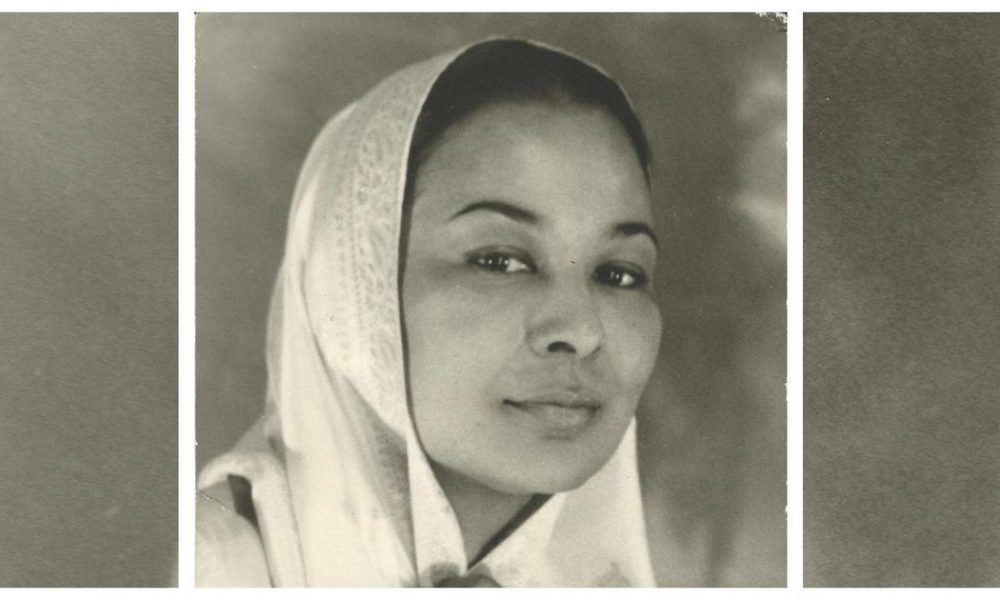
In any discussion about the intersection of Indian culture and music, the contributions of Majoie Hajary, a Surinamese composer, warrant significant attention. Born in 1921 in Paramaribo, the capital of the then-Dutch colony of Suriname, Hajary is perhaps best known for her 1968 composition, Requiem pour Mahatma Gandhi. This piece stands as a testament to her deep engagement with both Western classical traditions and Indian musical forms.
Hajary’s familial background is as diverse as her musical influences. While her father hailed from Suriname, her paternal lineage traces back to India, with her grandparents arriving as indentured laborers. Her mother, of Afro-Chinese descent, further enriched her multicultural upbringing. Growing up in a household steeped in Western classical music, Hajary was exposed to a variety of sounds that shaped her musical sensibility.
At the age of 15, Hajary made a pivotal move to Amsterdam to pursue her studies at the conservatory. It was in this vibrant European city that her passion for Indian music blossomed. Engaging with Indian musicians and teachers during her travels to cities like Berlin and Caracas helped deepen her understanding of the genre. Her early works, such as Hindoestaansche Fantasie, showcased this eclectic blend of cultures and musical languages, performed notably with the prestigious Concertgebouw Orchestra.
Majoie Hajary’s journey through various musical landscapes illustrates her commitment to weaving together the threads of her diverse heritage. Her story is captured in the biography Surinaamse Rapsodie by Ellen de Vries, who has also launched a dedicated website, majoiehajary.org, to highlight her life and contributions. De Vries’s research underscores the importance of recognizing Hajary’s unique place in the narrative of Indian music history.
As we explore the legacy of composers like Hajary, it becomes increasingly clear that their influence transcends geographical boundaries. By embracing her Indian roots and integrating them with her Western classical training, Hajary not only contributed to the music scene of her time but also paved the way for future generations to celebrate their multicultural identities through art.
Source: scroll.in







No Comment! Be the first one.