

Harsh Mander’s New Book Unveils the Impact of Hate Speech and Political Advertising on Social Media
In his latest publication, noted social activist and writer Harsh Mander sheds light on the alarming implications of hate speech on social media, particularly during electoral campaigns. His insights...

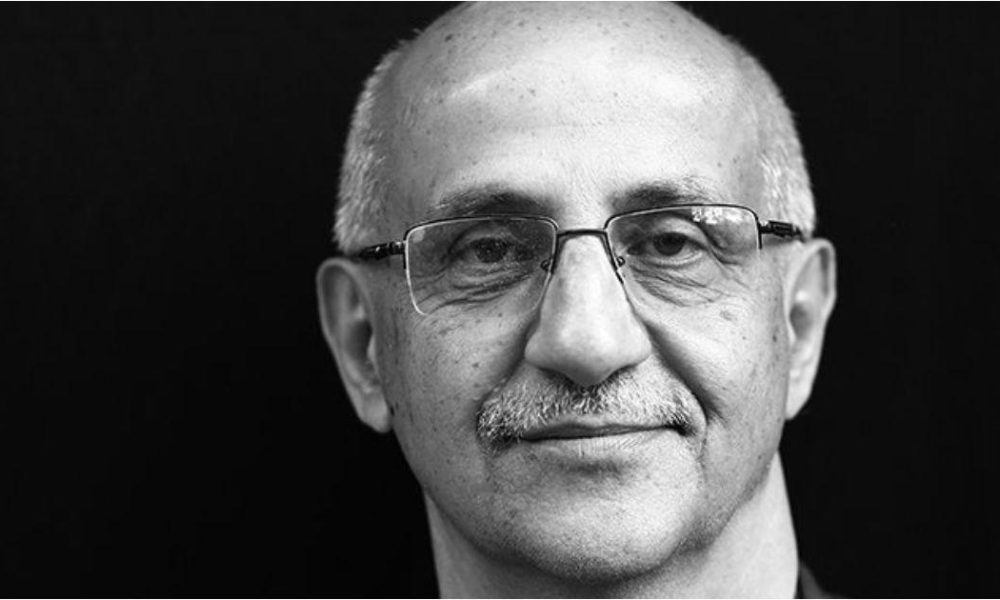
In his latest publication, noted social activist and writer Harsh Mander sheds light on the alarming implications of hate speech on social media, particularly during electoral campaigns. His insights come against the backdrop of a recent study conducted by the Tech Justice Law Project (TJLP), which examines the 2024 Jharkhand state assembly elections. The findings reveal a troubling synergy between powerful political parties and social media platforms, raising significant concerns about the integrity of political advertising in India.
The TJLP study highlights the extensive financial resources utilized in political advertising, particularly emphasizing the role of ‘shadow advertisers.’ These are entities that spend undisclosed amounts on behalf of political candidates or parties, a practice that is technically illegal under Indian law. Despite this prohibition, the study shows that shadow advertising is rampant on social media, with a notable focus on the Bharatiya Janata Party (BJP), which appears to dominate this clandestine practice.
According to the findings, the BJP’s shadow advertisers significantly outpaced other political parties, revealing a strategic exploitation of the loopholes in existing regulations. The study indicates that the BJP, through these shadow accounts, engaged in a massive scale of undisclosed political ad spending, which constituted approximately 75% of the total political ad expenditure on Meta’s platforms during the election period. In stark contrast, no other party was found to engage in such practices, raising questions about fairness and transparency in political campaigning.
The scale of this shadow advertising is particularly striking. The study reveals that shadow pages associated with the BJP released nearly five times the number of ads compared to the official BJP Jharkhand account, garnering four times more views. In the three months leading up to the Jharkhand elections, the BJP and its affiliates reportedly spent around Rs 2.25 crores on official ads across Meta’s platforms, further underscoring the vast influence of these shadow operations.
Mander’s work not only critiques the misuse of social media for political gain but also calls for a greater awareness among citizens about the risks posed by unchecked political advertising and hate speech. His arguments resonate with growing concerns over the erosion of democratic values, as digital platforms become battlegrounds for political narratives. As the intersection of technology and politics continues to evolve, the imperative for robust regulatory frameworks and accountability mechanisms becomes increasingly urgent.
Source: scroll.in







No Comment! Be the first one.