

Concerns Rise Over 2027 Census as Questions Link to National Register of Citizens
The upcoming 2027 census in India has ignited significant apprehension among various stakeholders, particularly regarding the potential use of census data in formulating a National Register of...

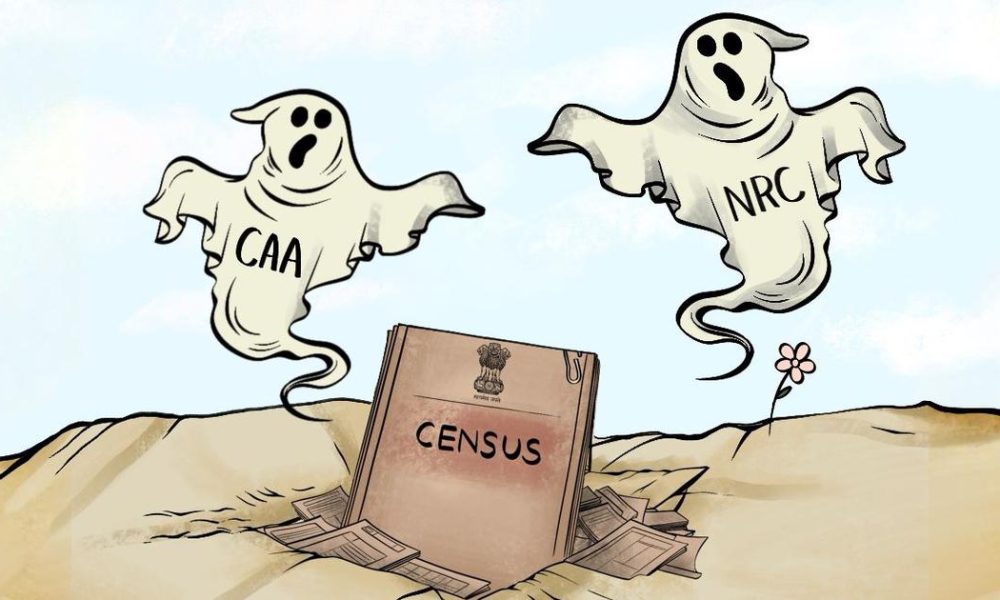
The upcoming 2027 census in India has ignited significant apprehension among various stakeholders, particularly regarding the potential use of census data in formulating a National Register of Citizens (NRC). This anxiety stems from the introduction of 12 new questions in the census questionnaire, ten of which were previously included in the controversial National Population Register (NPR) that the Modi administration attempted to roll out in 2020. Observers suggest that this alignment may blur the lines between the census and the NPR, paving the way for the establishment of an NRC.
Legal experts, activists, and political figures have expressed their concerns over this development, fearing a resurgence of the type of unrest that was witnessed during the nationwide protests against the Citizenship Amendment Act (CAA) in 2019. The primary objective of a census is to gather statistical insights into the demographic and socio-economic conditions of the population. However, the 2027 census appears to delve deeper, incorporating inquiries that may not be strictly necessary for statistical analysis.
Among the new questions, respondents will be asked about the birthplace of their parents and their religious affiliations—data points that have raised eyebrows among critics. Activists argue that such inquiries could lead to a series of investigations and scrutiny over individuals’ citizenship status, mirroring the fears that emerged during previous government initiatives related to citizenship verification.
Historically, the census has served as a tool for understanding population dynamics, aiding in resource distribution and policy formulation. Yet, the shift towards incorporating contentious questions related to nationality and religion has raised alarms about potential discrimination and exclusion, particularly in a nation as diverse as India. The debate continues as many question whether the government truly aims to enhance administrative efficiency or if it is setting the stage for a more divisive approach to citizenship.
As the census date approaches, the government is urged to clarify its intentions regarding these new questions. Stakeholders are calling for transparency to ensure that the data collected will not be misused for divisive purposes, which could undermine the foundational principles of equality and secularism enshrined in the Indian Constitution. The outcome of this census could have lasting implications for millions, making it imperative for the administration to address these concerns head-on.
Source: scroll.in






No Comment! Be the first one.