

India Denounces UN Committee’s Allegations of Targeting Rohingya and Bengali Muslims
The Indian government has firmly rejected comments made by the United Nations Committee on the Elimination of Racial Discrimination regarding the allegedly targeted actions directed at Rohingya...

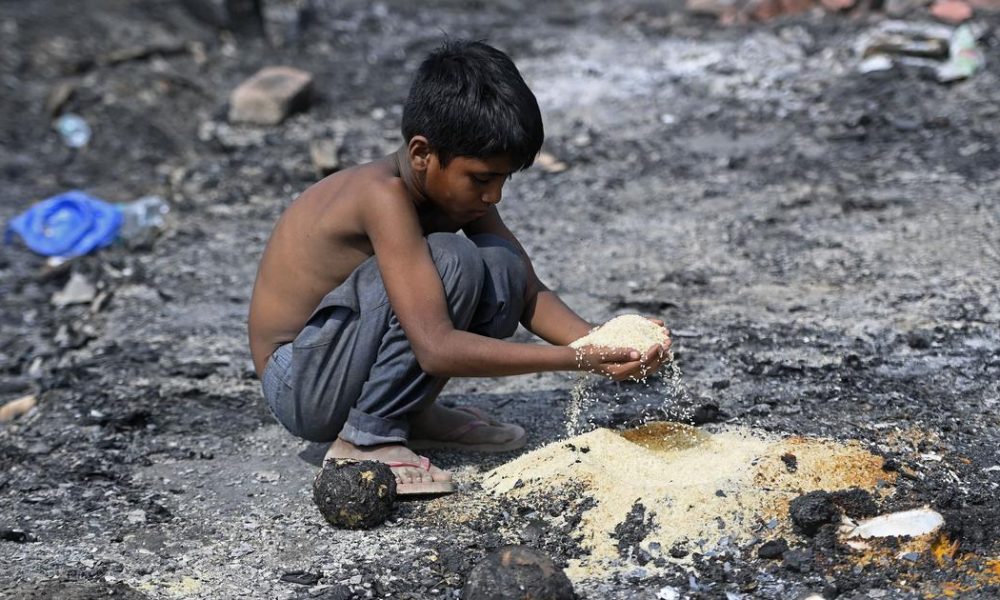
The Indian government has firmly rejected comments made by the United Nations Committee on the Elimination of Racial Discrimination regarding the allegedly targeted actions directed at Rohingya refugees and Bengali-speaking Muslims. Officials from New Delhi have characterized these remarks as “politically motivated” and “highly malicious,” emphasizing that they do not reflect the reality of the situation on the ground.
On Tuesday, the UN panel expressed concerns over what it termed an “increase in law enforcement operations” aimed at Rohingya individuals, Bengali-speaking Muslims, and other migrants and asylum-seekers in India. This assertion was reportedly linked to a directive from the Union Ministry of Home Affairs issued in 2017, which outlined measures for the deportation of undocumented migrants, including those from Myanmar.
The 2017 directive by the Indian government aimed to address the presence of undocumented individuals, especially following a surge in tensions related to national security. The remarks by the UN were further fueled by the aftermath of the Pahalgam terror attack in April 2025, which led to heightened scrutiny of migrants, particularly in states governed by the Bharatiya Janata Party (BJP).
In light of the security situation, the Union Home Ministry had instructed states and Union Territories to conduct verification of individuals suspected of being undocumented immigrants. This has led to an uptick in law enforcement activities in various regions, where authorities have begun detaining Bengali-speaking individuals, primarily Muslims, and demanding proof of their citizenship.
There have been reports of some individuals being forcibly sent back to Bangladesh after failing to establish their Indian citizenship. Alarmingly, there have also been instances where people mistakenly deported to Bangladesh were later verified as Indian citizens upon their return. These developments have raised significant concerns about the treatment and rights of vulnerable populations in India.
Critics argue that such actions not only violate international norms regarding the treatment of refugees and migrants but also fuel divisions within Indian society. The central government, while defending its actions as necessary for national security, is under increasing scrutiny from various human rights organizations and advocacy groups.
Source: scroll.in



No Comment! Be the first one.