

Allahabad High Court Rules Hijab Not an Essential Practice in Islam
The Allahabad High Court delivered a significant ruling regarding the wearing of hijabs by Muslim students on August 21, concluding that the practice does not qualify as an ‘essential religious...

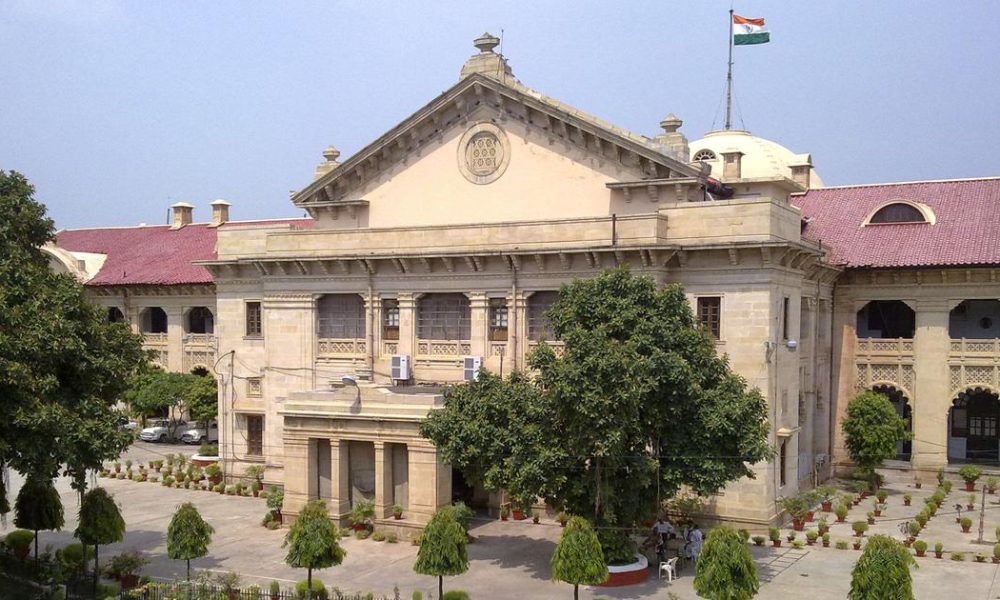
The Allahabad High Court delivered a significant ruling regarding the wearing of hijabs by Muslim students on August 21, concluding that the practice does not qualify as an ‘essential religious practice’ within Islam. This judgment stemmed from a case involving a student who sought to wear a hijab while attending Tagore Public School in Prayagraj, which had reportedly denied her admission to Class 11 on grounds related to the school’s dress code.
The petitioner argued that her right to wear a hijab was protected under fundamental rights, particularly emphasizing equality before the law and the freedom of expression. She also noted that she had been allowed to don the headscarf during her previous years at the same institution without any objections, raising questions about the sudden enforcement of the uniform policy.
In its ruling, the High Court stated that there was insufficient evidence to assert that a Muslim woman would abandon her faith by choosing not to wear a hijab. The court acknowledged that the school may not have previously objected to the headscarf due to various reasons, including potential lapses in policy enforcement or a lack of assertiveness on the school’s part. However, the judgment clarified that this historical leniency should not impede the school from upholding its dress code policies moving forward.
This decision aligns with previous judgments from other High Courts in India, including those from Bombay and Karnataka, which have addressed similar issues regarding religious attire and educational institutions. The ruling continues to stir discussions around the intersection of personal religious practices and institutional regulations in India, a country known for its diverse cultural and religious tapestry.
The case highlights the ongoing dialogue about religious freedom in educational contexts and the extent to which institutions can regulate attire based on their dress codes. As debates continue, this ruling invites further scrutiny into how the rights of individuals to express their faith are balanced against the policies of educational institutions.
Source: scroll.in




No Comment! Be the first one.