

UN Racism Watchdog Criticizes India for Targeting Rohingya Refugees and Bengali-speaking Muslims
The United Nations Committee on the Elimination of Racial Discrimination has expressed serious concerns regarding India’s treatment of Rohingya refugees and Bengali-speaking Muslims. In a...

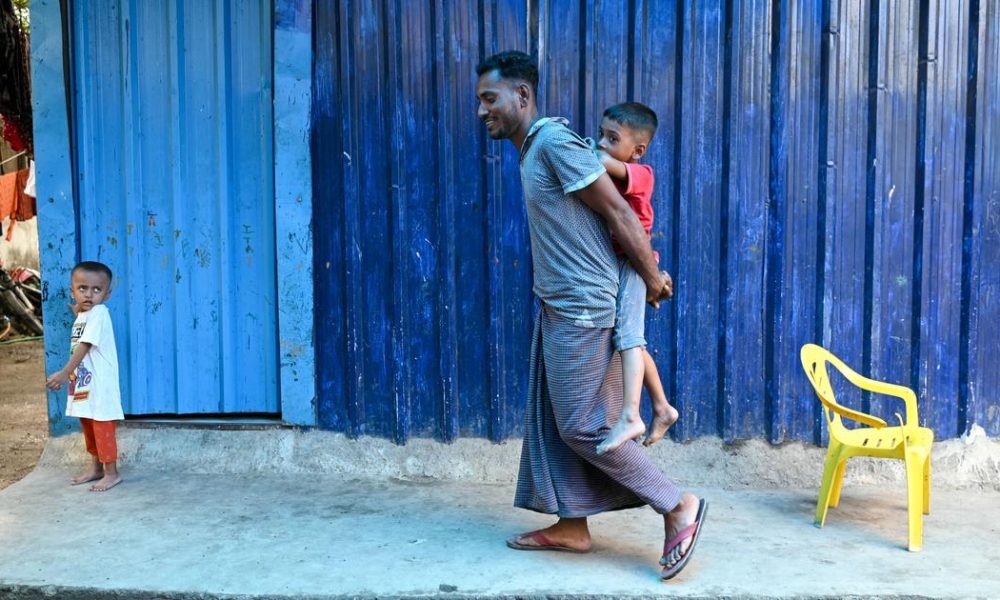
The United Nations Committee on the Elimination of Racial Discrimination has expressed serious concerns regarding India’s treatment of Rohingya refugees and Bengali-speaking Muslims. In a recent session, the committee pointed out an alarming trend of law enforcement agencies allegedly conducting operations disproportionately aimed at these vulnerable groups, especially following a 2017 directive from the Union Ministry of Home Affairs and the Pahalgam terror attack in April 2025.
According to the committee, there has been a marked rise in law enforcement activity that appears to specifically target Rohingyas, migrants, and those seeking asylum. This assertion comes in the wake of India submitting its first review report to the committee since 2007, highlighting issues of racial discrimination within the country. The committee comprises 18 independent experts tasked with monitoring compliance with the international Convention on the Elimination of All Forms of Racial Discrimination, to which India is a signatory.
The 2017 order mentioned by the committee refers to guidelines established by the Indian government which detailed the procedures for deporting undocumented migrants, including the Rohingya population, who have fled persecution in Myanmar. This directive has raised alarms among human rights activists, who argue that it exacerbates the challenges faced by these refugees, further marginalizing them within Indian society.
Additionally, the recent comments by the committee also touched upon broader concerns regarding the treatment of various marginalized communities in India. Reports of alleged abuses against Scheduled Tribes, Scheduled Castes, and other minority groups have drawn the committee’s attention, indicating systemic issues in the enforcement of laws meant to protect these vulnerable populations.
The Pahalgam terror attack, which took place in Jammu and Kashmir in April 2025, further complicated the situation. Following this incident, the Union Home Ministry instructed states and Union Territories to conduct extensive verification of migrants in their jurisdictions. Critics argue this has led to a climate of fear and increased scrutiny on specific communities, particularly the Rohingyas, whose precarious status in India continues to generate significant humanitarian concerns.
Source: scroll.in





No Comment! Be the first one.