

Census 2027: The Urgent Need for Separate Enumeration of Nomadic and Denotified Tribes
The upcoming Census 2027 holds significant importance for India’s Nomadic and Denotified Tribes (DNTs), as their survival, culture, and identity are intricately linked to the fundamental right...

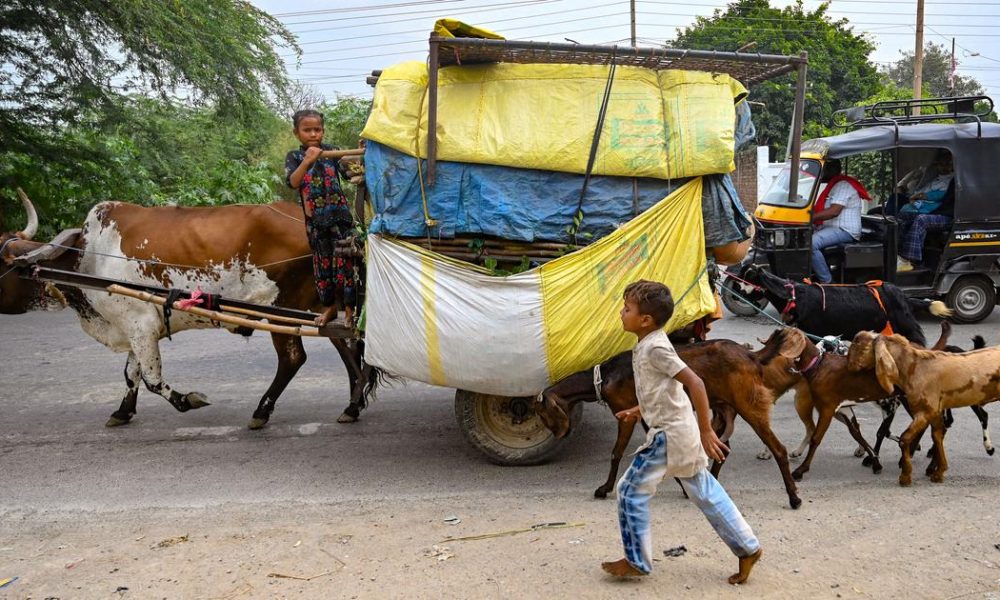
The upcoming Census 2027 holds significant importance for India’s Nomadic and Denotified Tribes (DNTs), as their survival, culture, and identity are intricately linked to the fundamental right to be counted. Community activists and leaders have long advocated for a distinct enumeration of these tribes in the Census, a demand that has largely been overlooked. However, the implications of neglecting this issue extend far beyond mere numbers; they touch upon essential themes of constitutional justice, policy-making, and equitable access to resources.
As a member of the Ghisadi Gadiya Lohar community, which is classified as a Nomadic and Denotified Tribe, I have witnessed firsthand the profound impacts of continuous migration and the associated challenges. These communities often face discrimination from settled populations, lack stability in housing, and experience minimal access to safety and social security. In addition, inadequate education and healthcare further exacerbate their plight, leading to a situation where political participation is essentially non-existent.
Across various states in India, Nomadic and Denotified Tribes often find themselves at the lowest rungs of the caste hierarchy, even beneath the Scheduled Castes (SCs) and Scheduled Tribes (STs). One of the critical issues is the absence of a standardized identity for these groups; caste identities vary significantly from one state to another, resulting in a lack of cohesive representation on a national level. The last occasion on which the population of Nomadic and Denotified Tribes was counted distinctly was during the caste-based Census conducted by British authorities in 1931, highlighting a long-standing neglect that persists even after nearly eight decades of India’s independence.
The upcoming Census presents a vital opportunity to rectify this oversight. An accurate enumeration of Nomadic and Denotified Tribes would not only validate their existence but also facilitate the formulation of policies that address their unique needs and challenges. Understanding their demographics can lead to better resource allocation, ensuring these communities receive due recognition and support from the government.
In a nation that prides itself on diversity and inclusivity, it is imperative that the voices of Nomadic and Denotified Tribes be acknowledged. Their historical marginalization can no longer be ignored; the Census is a crucial step toward ensuring their rightful place in the socio-economic fabric of India. The call for separate counting is not merely an administrative task; it is a fundamental human right, paving the way for justice and recognition for these often-overlooked communities.
Source: scroll.in







No Comment! Be the first one.