

India and Japan: Navigating Strategic Cooperation Amid Regional Challenges
In July 2026, Japanese Prime Minister Sanae Takaichi’s visit to New Delhi marked a significant milestone in the evolving relationship between India and Japan. This three-day summit not only...

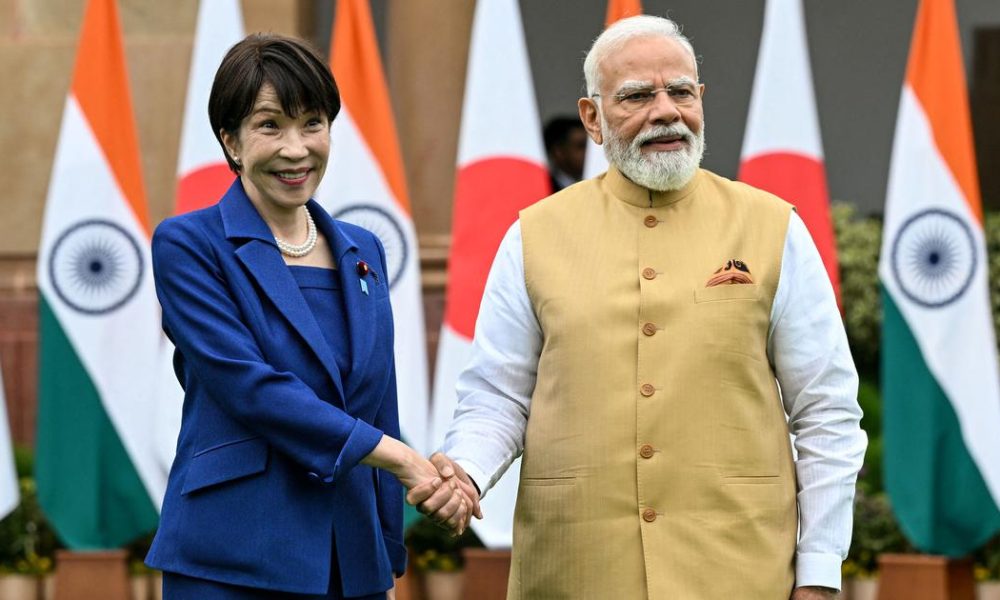
In July 2026, Japanese Prime Minister Sanae Takaichi’s visit to New Delhi marked a significant milestone in the evolving relationship between India and Japan. This three-day summit not only reinforced existing ties but also heralded a new phase of strategic collaboration that promises to reshape the geopolitical landscape of Asia. Over the last decade, the relationship has shifted from a primarily economic partnership to a more complex and consequential strategic alliance.
The underlying rationale for the deepening ties between India and Japan is rooted in a shared recognition of the necessity to maintain a stable balance of power in the Indo-Pacific region. As China’s influence continues to expand, both nations are increasingly aware of the importance of safeguarding vital sea routes and enhancing economic resilience through diversified supply chains and trusted technological partnerships. This common concern forms the foundation of their strategic convergence, which is critical for navigating the challenges posed by a rapidly changing regional environment.
Recent discussions during Takaichi’s visit have led to notable advancements in defense dialogues and maritime exercises, signifying a palpable commitment to enhancing military cooperation. The agreements reached encompass various domains, including semiconductors, critical technology, and economic security. Notably, the focus on developing indigenous defense industries highlights the growing recognition of self-reliance and mutual assistance in bolstering national security for both countries.
As Japan gradually transitions from its post-war security constraints towards a more proactive defense posture, its relationship with India is increasingly perceived as a vital cornerstone for the Indo-Pacific order. The two nations are united under the banner of a “Free and Open Indo-Pacific,” a concept that aims to promote democratic values and uphold the rule of law in the face of escalating tensions.
However, despite this promising trajectory, there are challenges ahead. The realization of deeper strategic integration remains contingent upon various factors, including domestic political dynamics, military readiness, and regional cooperation with other allied nations. While both governments express a commitment to enhancing ties, translating these intentions into substantial action requires sustained effort and mutual trust.
Source: scroll.in





No Comment! Be the first one.