

Government’s Social Media Strategy Under Scrutiny as Ministers Face Performance Review
In a recent Cabinet meeting held on Wednesday, Indian Union ministers received an unconventional form of assessment that has sparked debate and concern. Instead of traditional performance evaluations...

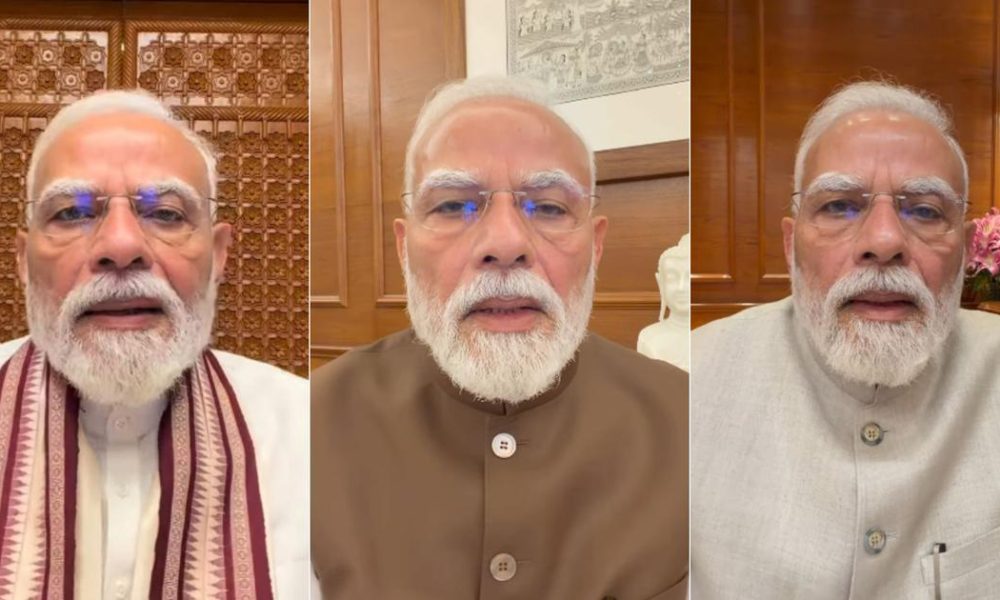
In a recent Cabinet meeting held on Wednesday, Indian Union ministers received an unconventional form of assessment that has sparked debate and concern. Instead of traditional performance evaluations based on governance and policy-making, ministers were scrutinized based on their effectiveness and activity on social media platforms. The assessment covered the period from May 1 to August 15, coinciding with significant youth protests concerning alleged irregularities in competitive examinations.
The evaluation involved ranking each minister not only against their Cabinet colleagues but also against leaders from various political parties across popular social media platforms such as Instagram, X (formerly Twitter), and Facebook. Key performance indicators included the average number of posts per day, engagement rates, likes, follower counts, and overall public interaction metrics. This emphasis on social media engagement has raised eyebrows and led to discussions about the government’s priorities.
Critics of this approach argue that the Modi government appears to place a higher value on online presence and social media metrics than on substantive governance. A social media user commented, “The priorities of this government are clear; it’s mostly about propaganda.” This sentiment reflects a growing concern that political engagement is increasingly being measured by likes and shares rather than by tangible actions that impact citizens’ lives.
Ministers are supported by public relations teams to manage their social media profiles, but the inclusion of online activity in performance reviews could potentially pressure them to focus more on creating viral content, such as short videos, rather than engaging in meaningful dialogue with the public. This could lead to a superficial understanding of the issues facing the youth, overshadowing the genuine grievances that prompted the protests.
As the government seeks to enhance its connection with the younger demographic through social media, the effectiveness of this strategy remains to be seen. With millions of young Indians actively participating on these platforms, the government’s ability to translate online engagement into real-world solutions will be critical. The challenge lies in striking a balance between maintaining a vibrant social media presence and addressing the pressing concerns of the youth, including employment opportunities and educational integrity. The coming months may reveal whether this renewed focus on social media will foster a more engaged youth or simply serve as a tool for political posturing.
Source: scroll.in





No Comment! Be the first one.