

Former Diplomat Raises Alarm Over Citizenship Verification Process in India
In a startling revelation, former Indian diplomat Navdeep Suri has highlighted serious issues regarding the citizenship verification process as part of the Special Intensive Revision (SIR) of...

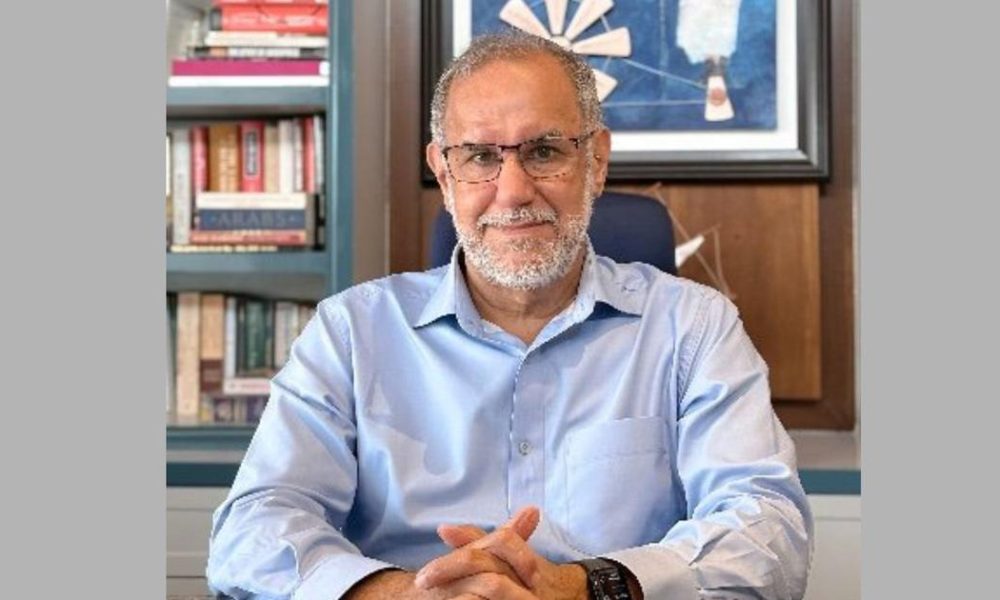
In a startling revelation, former Indian diplomat Navdeep Suri has highlighted serious issues regarding the citizenship verification process as part of the Special Intensive Revision (SIR) of electoral rolls. Suri, who served as an officer in the Indian Foreign Services and represented the country in three different nations, shared his troubling experience while undergoing the verification process in Punjab, one of the 16 states participating in the third phase of the SIR.
Through a recent social media post, Suri detailed his ordeal, revealing that he was asked to submit his voter ID and Aadhaar card to a booth level officer, who initially assured him that all was well. However, he soon received a notification indicating discrepancies between his details and the electoral rolls dating back to 2003, which are being used for the ongoing verification exercise. This left Suri perplexed, as he had been out of the country during that time.
In his post, Suri recounted his conversation with the booth level officer, who informed him to collect a notice and return with unspecified documents to prove his Indian citizenship. He was further instructed to provide his passport as proof, given that he was not present in India in 2003. His query was poignant: “If I have trouble establishing my citizenship after representing India in three countries, what’s the fate of the common citizen?”
This concern strikes at the heart of the democratic fabric of the nation, as verification of voter identity is crucial for upholding the electoral process. Suri’s experience raises significant questions about the ease of living for citizens, especially those who may not have access to multiple forms of identification. His case underscores the need for a more streamlined and user-friendly verification system that takes into account the complexities of individual circumstances.
As India moves towards a more digitized approach in administering electoral processes, the government must ensure that citizens can easily establish their identity without facing bureaucratic hurdles. The implications of Suri’s case resonate beyond his personal experience; they reflect the challenges faced by many citizens who may also struggle with the current verification practices. This scenario serves as a critical reminder of the necessity for reforms that prioritize transparency and accessibility in the electoral system, ensuring every eligible voter can participate without unnecessary impediments.
Source: scroll.in




No Comment! Be the first one.