

Exploring the Literary and Political Significance of India’s Forests: A Journey Through Millennia
In his newly released book, India’s Forests, Real and Imagined: Writing the Modern Nation, author Alan Johnson embarks on a comprehensive exploration of the depiction of forests throughout Indian...

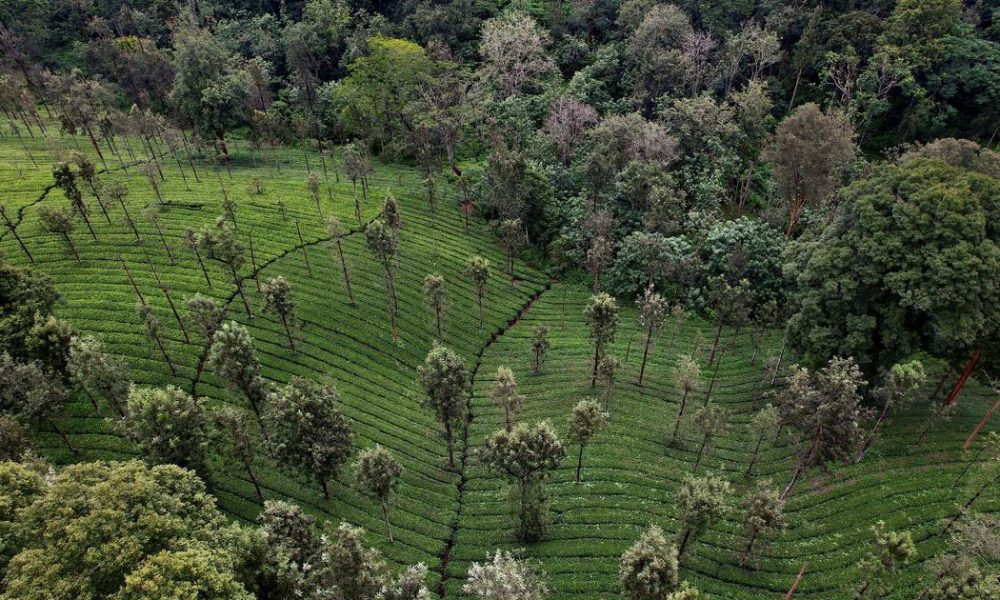
In his newly released book, India’s Forests, Real and Imagined: Writing the Modern Nation, author Alan Johnson embarks on a comprehensive exploration of the depiction of forests throughout Indian literary history, spanning nearly three thousand years. This work of literary ecocriticism examines how forests have served as both literal and metaphorical landscapes in ancient texts, colonial narratives, and contemporary literature.
Published by Bloomsbury Academic as part of its environmental humanities series, Johnson’s book synthesizes a vast array of sources, from ancient Sanskrit epics and Tamil Sangam poetry to the writings reflecting colonial nationalism and modern postcolonial fiction. The author emphasizes the dual nature of forests—embodying ecological realities while simultaneously representing constructed ideals and cultural narratives.
The introduction of the book invites readers on an imaginative aerial tour of the Indian subcontinent as it may have appeared around 3000 years ago. Johnson vividly describes the diverse ecosystems, from the majestic Oak valleys of the Himalayas to the rich forests of sal, sandalwood, teak, and neem. He delves into significant literary settings such as the famed Naimisha forest found in ancient texts and the Dandakaranya from Valmiki’s epic, the Ramayana, highlighting how these natural landscapes have influenced cultural identities.
While the book is an ambitious endeavor, aiming to weave together a vast tapestry of literary and ecological themes, it also grapples with inherent challenges. Johnson’s extensive research, supported by a Fulbright-Nehru award and collaboration with Idaho State University, showcases his dedication and scholarly depth. However, the breadth of the project raises questions about how effectively it can convey complex ideas within a relatively concise format.
As India continues to confront pressing environmental issues, Johnson’s work is particularly timely. It beckons readers to reflect on the cultural significance of forests and their roles in shaping national identity throughout history. Engaging with both historical and modern narratives, the book invites a deeper understanding of how literary representations of nature can influence contemporary discussions on ecology and identity in India.
Source: scroll.in







No Comment! Be the first one.