

Supreme Court Rules Private Casteist Remarks Not Offenses Under SC/ST Act
In a significant ruling on Thursday, the Supreme Court of India clarified that making casteist remarks in a private setting does not constitute an offense under the Scheduled Castes and Scheduled...

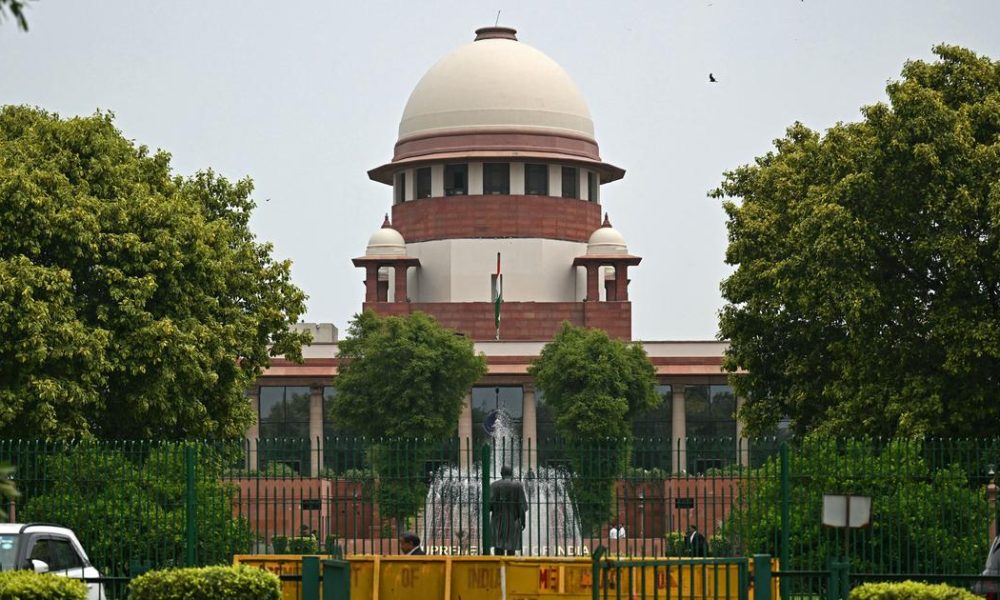
In a significant ruling on Thursday, the Supreme Court of India clarified that making casteist remarks in a private setting does not constitute an offense under the Scheduled Castes and Scheduled Tribes (Prevention of Atrocities) Act. This decision has brought attention to the interpretation of the law regarding caste-based insults and their implications.
The bench, comprising Justices Vikram Nath and Sandeep Mehta, overturned a previous order from the Allahabad High Court that had declined to dismiss proceedings against a school manager accused of using caste-based slurs. The complaint arose from an incident on January 24, 2020, when a parent approached the school manager after his son was injured in a conflict with other students. The parent alleged that the school manager, along with other staff members, physically assaulted him and hurled casteist insults during the confrontation.
The complaint led to the registration of a First Information Report (FIR) the following day, with multiple charges including rioting, causing bodily harm, wrongful confinement, and intentional insult, along with violations of specific sections of the SC/ST Act. Notably, Section 3(1)(r) of the Act penalizes individuals not belonging to Scheduled Castes or Scheduled Tribes for intentionally humiliating or insulting members of these communities in public view, while Section 3(1)(s) addresses the punitive measures for similar actions.
The Supreme Court’s ruling underscores the necessity for public visibility for such offenses to be actionable under the SC/ST Act. The bench emphasized that private remarks, even if casteist in nature, do not fulfill the legal criteria to be classified as atrocities under the Act. This interpretation has sparked discussions about the balance between protecting marginalized communities and ensuring that the law is applied judiciously.
This decision is poised to impact how caste-based insults are addressed legally and socially in India, prompting a broader discourse on the relevance and enforcement of the SC/ST Act in contemporary society. As India grapples with deep-seated caste issues, the ruling may influence future cases and the societal understanding of caste discrimination.
Source: scroll.in







No Comment! Be the first one.