

Colonial Misinterpretations: The Untold Story of Bastar and Abujhmad
The princely state of Bastar, situated in the heart of India, has often been a focal point of fascination and intrigue, particularly due to its rich history and diverse cultural heritage. At the...

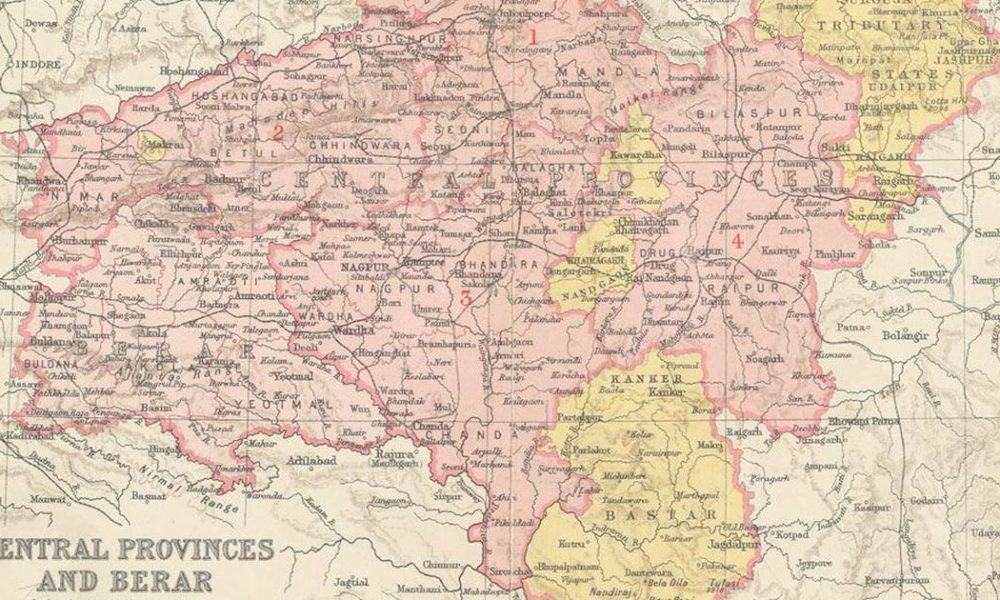
The princely state of Bastar, situated in the heart of India, has often been a focal point of fascination and intrigue, particularly due to its rich history and diverse cultural heritage. At the center of this enigmatic region lies Abujhmad, a breathtaking landscape characterized by its rolling hills, dense forests, and meandering streams. This area has been the subject of exploration and study for decades, with notable contributions from early journalist-researchers like Ramesh Chandra Roy, who sought to illuminate the complexities of this land.
In 1934, Roy, serving as the joint editor of the anthropology journal ‘Man in India’, embarked on a pioneering journey to uncover the hidden narratives of Abujhmad. He introduced readers to a world that was not only stunning in its natural beauty but also rich in cultural significance. The indigenous Hill Marias, who have called this region home for generations, refer to it as ‘Metabhum’, a term that translates to ‘highland’. In contrast, they designate the lower areas as ‘Dorbhum’. This distinction reflects a deep-seated connection to the land that colonial narratives often overlooked.
The region’s name has undergone several transformations over the years, influenced largely by external perceptions. Scottish officer Glasfurd, who explored the area in 1862 alongside forest explorer FG Stewart, first documented the land as ‘Ubujmard’. This spelling evolved, and by 1870, ‘The Gazetteer of the Central Provinces of India’ had adopted the name ‘Abajmard’, introducing another moniker, ‘Madian’. The name ‘Abujhmad’, which loosely translates to “the highland that cannot be understood”, was imposed by outsiders and remains a point of contention among local residents. They have largely retained their original name for the region, raising questions about the impact of colonial nomenclature on indigenous identity.
During a visit to Kanhargaon, a village located on the outskirts of Metabhum, the historical tensions of the area became evident. Just days before my arrival in May 2017, a violent confrontation between Maoist insurgents and police forces had unfolded, underscoring the ongoing unrest that marks this region. The police had conducted a raid on a Maoist camp, leading to clashes that resonate with the ongoing struggle for power and identity in Bastar. Such incidents highlight the stark realities faced by the Hill Marias and the complexities of governance in a region that has often been misunderstood by external authorities.
As contemporary narratives continue to evolve, the story of Abujhmad serves as a reminder of how colonial perspectives can distort the understanding of indigenous cultures. The Hill Marias, with their rich traditions and resilient spirit, continue to navigate the challenges posed by both historical legacies and modern conflicts. The exploration of Abujhmad is not merely an academic pursuit; it is a quest to reclaim narratives that have long been overshadowed by colonial interpretations.
Source: scroll.in






No Comment! Be the first one.